

$39.95 U.S. (trade discount)
E-book TBD
Hardcover/PLC
200 pages with 137 color photographs by the author, one black-and-white historic photograph, and one color map
8.0″ x 10.0″ (upright/portrait)
ISBN 978–1–938086–51–9
Published in September 2018
Distributed by
University of Virginia Press
Events and Exhibitions
Tuesday, December 4 from 6-8pm
Book Signing
Octavia Books, New Orleans, LA
“Fish Town” is on view through October 13, 2018
Martine Chaisson Gallery, New Orleans
Read a review of the exhibit.
September 2018
Book Signing and Exhibition: Fish Town
Martine Chaisson Gallery, New Orleans, LA
by J.T. Blatty
with a concluding essay by Craig E. Colten
Winner of a 2020 Bronze IPPY Award, South – Best Regional Non-Fiction
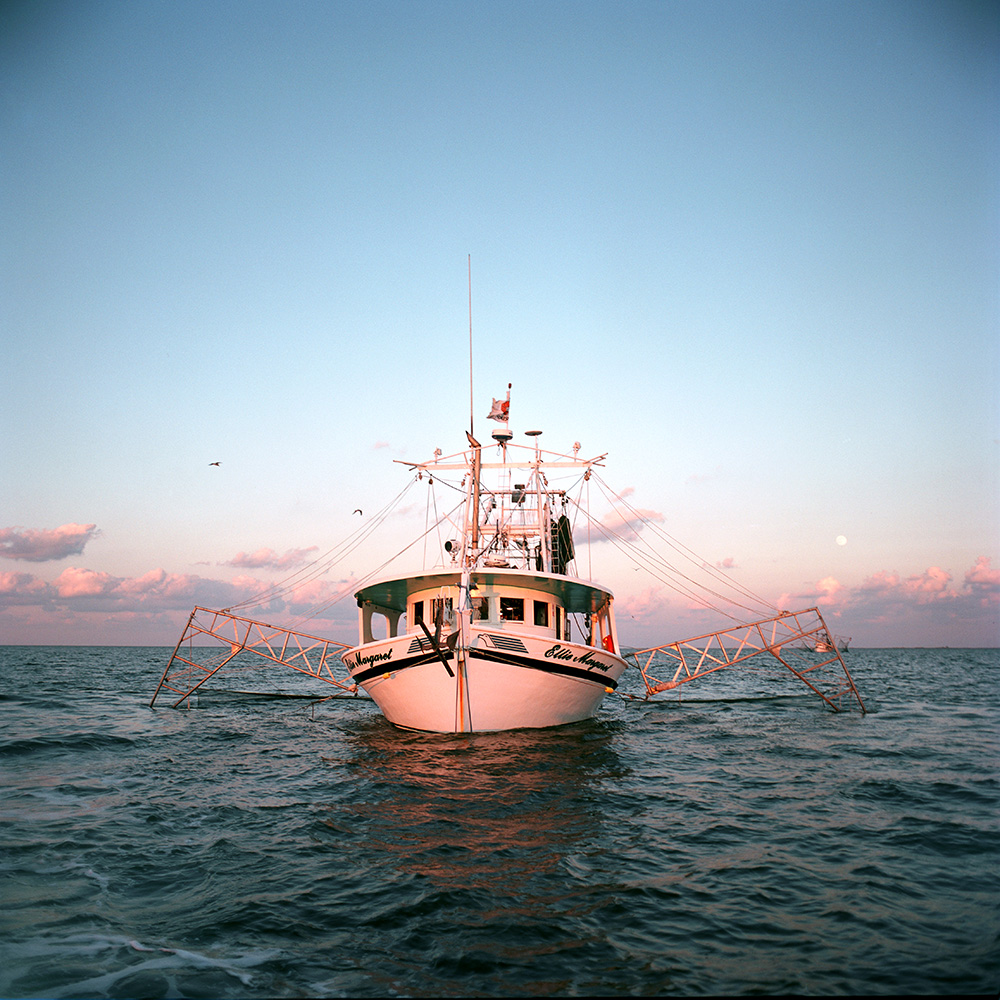
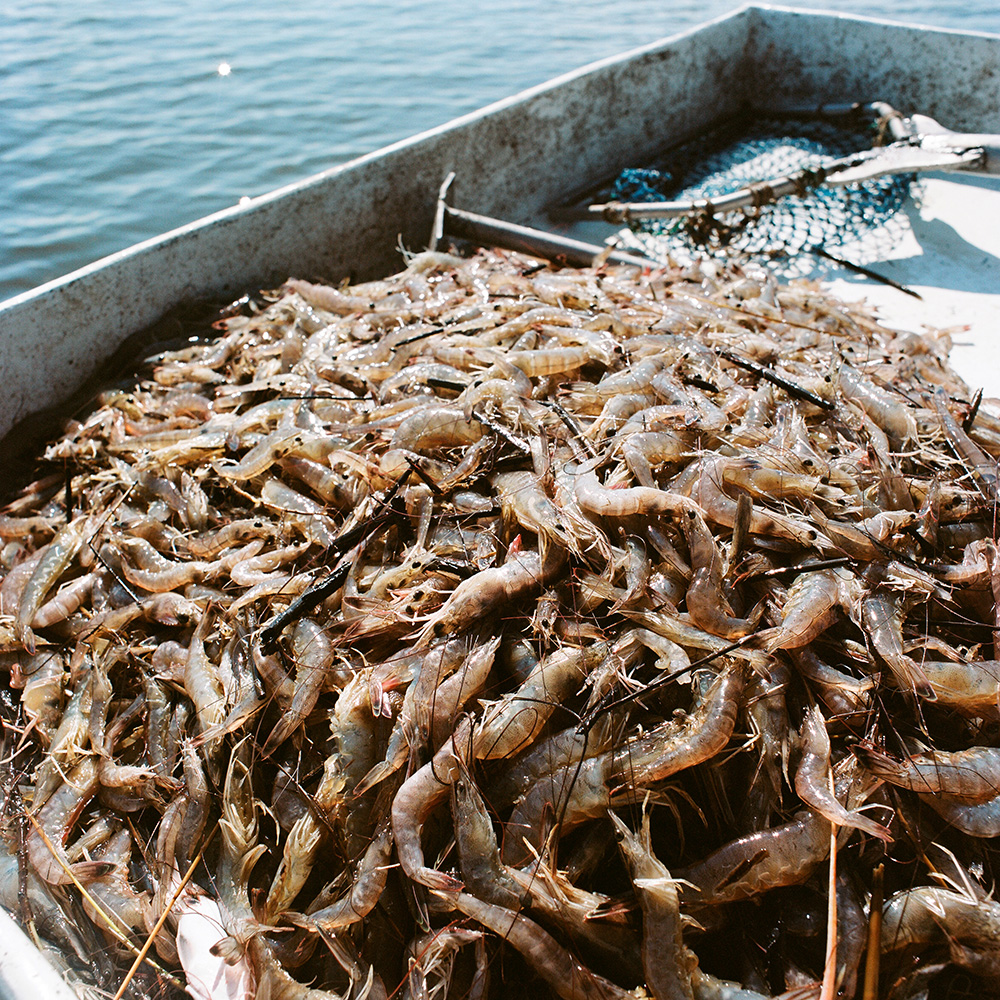
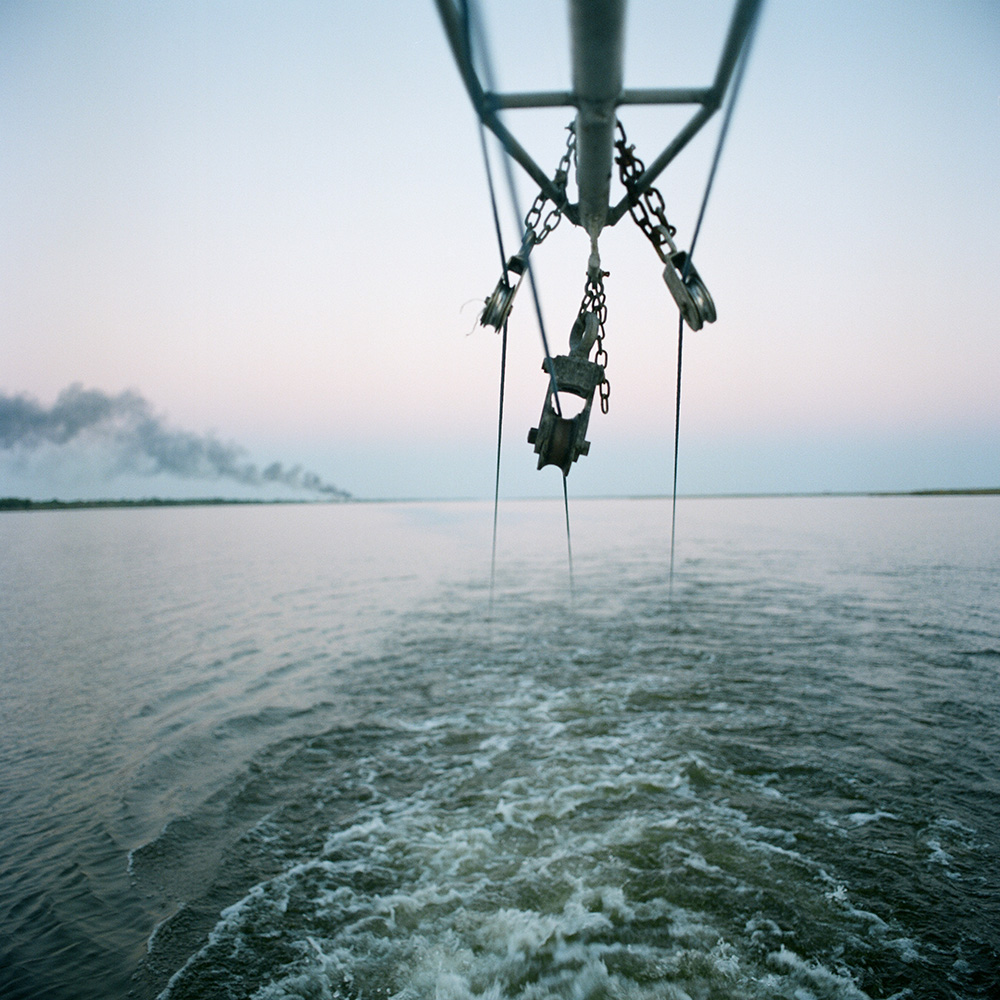
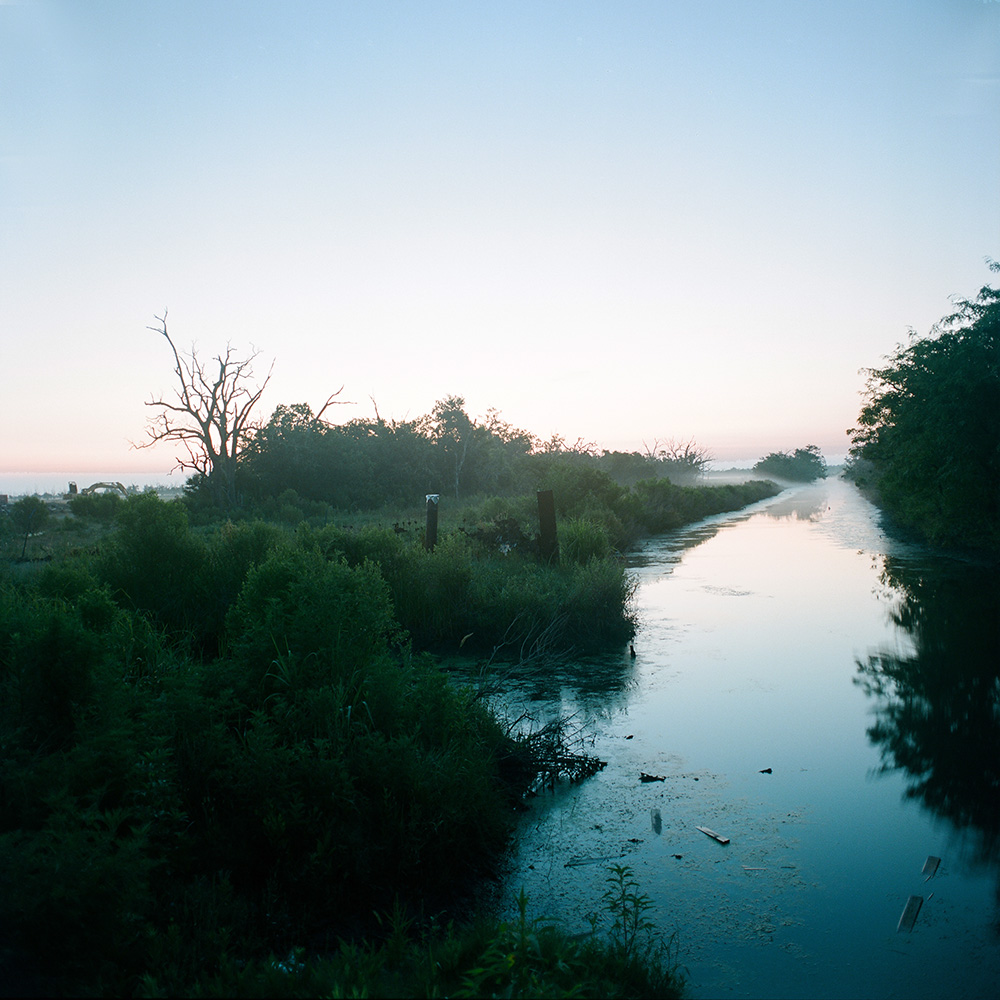
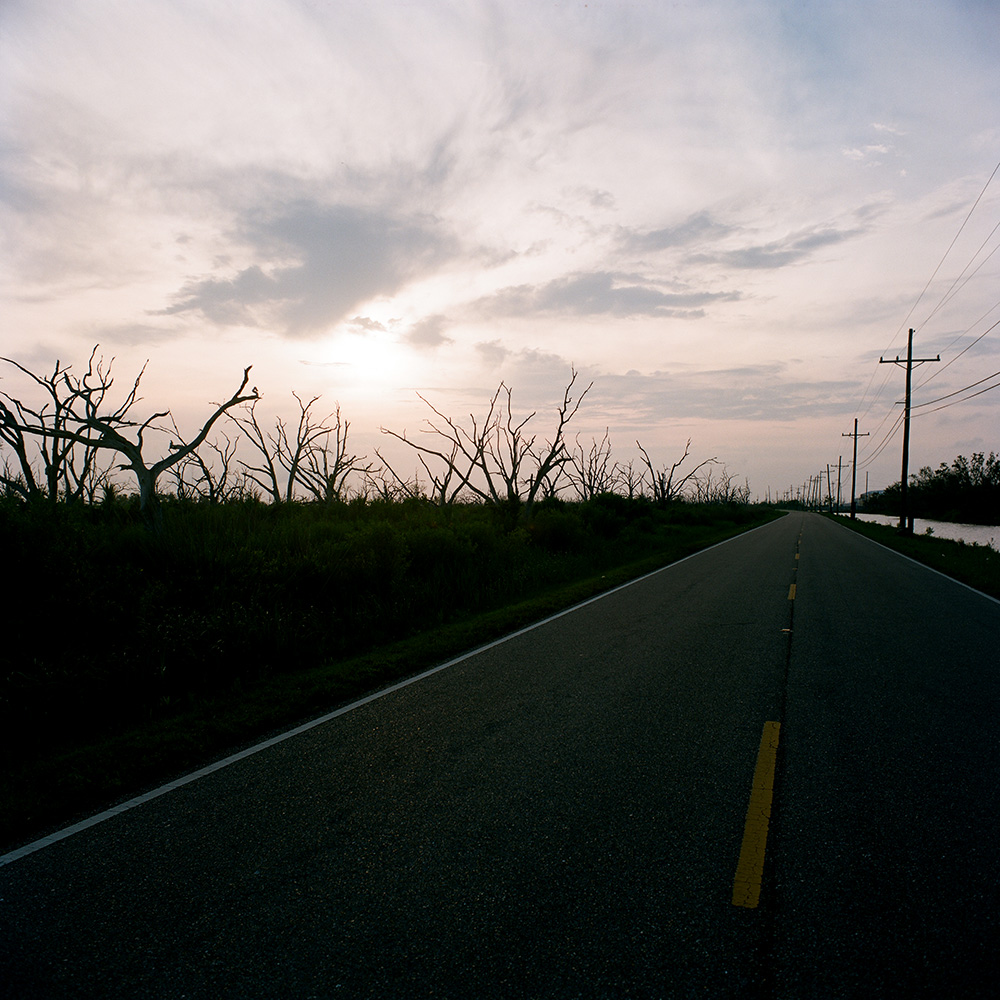
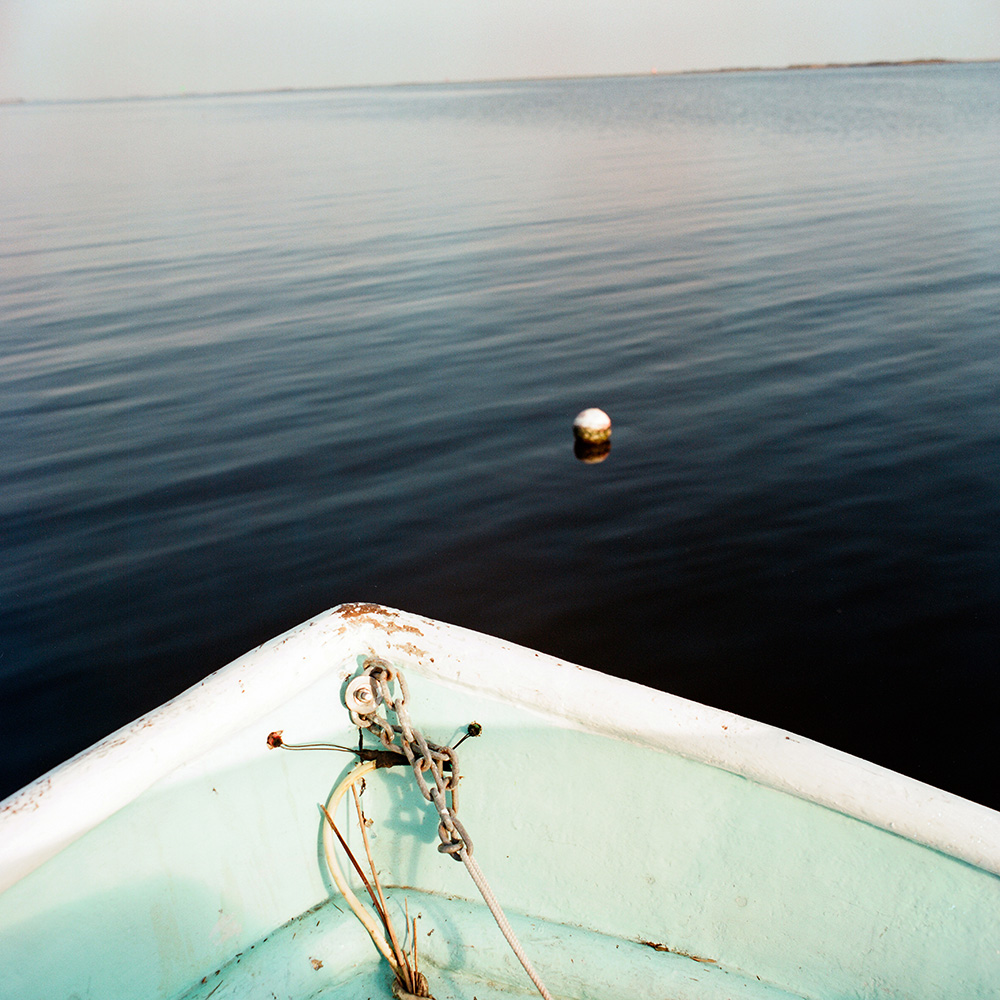
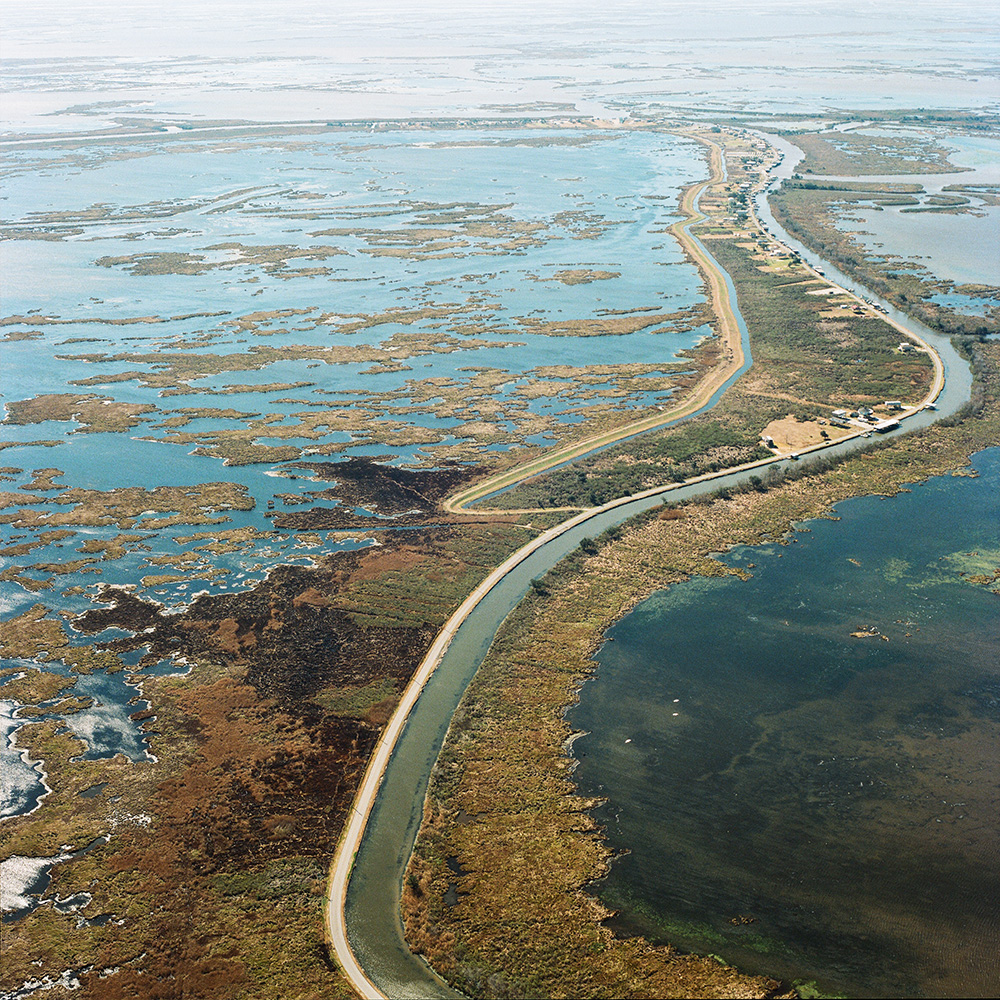
“Down the road” from New Orleans and other points north is a world unlike any other. Settled during the late 1600s by fisherfolk who came here from as far away as the Canary Islands, southeastern Louisiana has been a natural paradise for centuries. But with the channelization of waterways and the building of canals associated with the extraction and shipment of oil and natural gas––as well as the loss of protective wetlands to withstand hurricanes and a rising sea during the past century––the area’s unique lands and way of life are threatened.
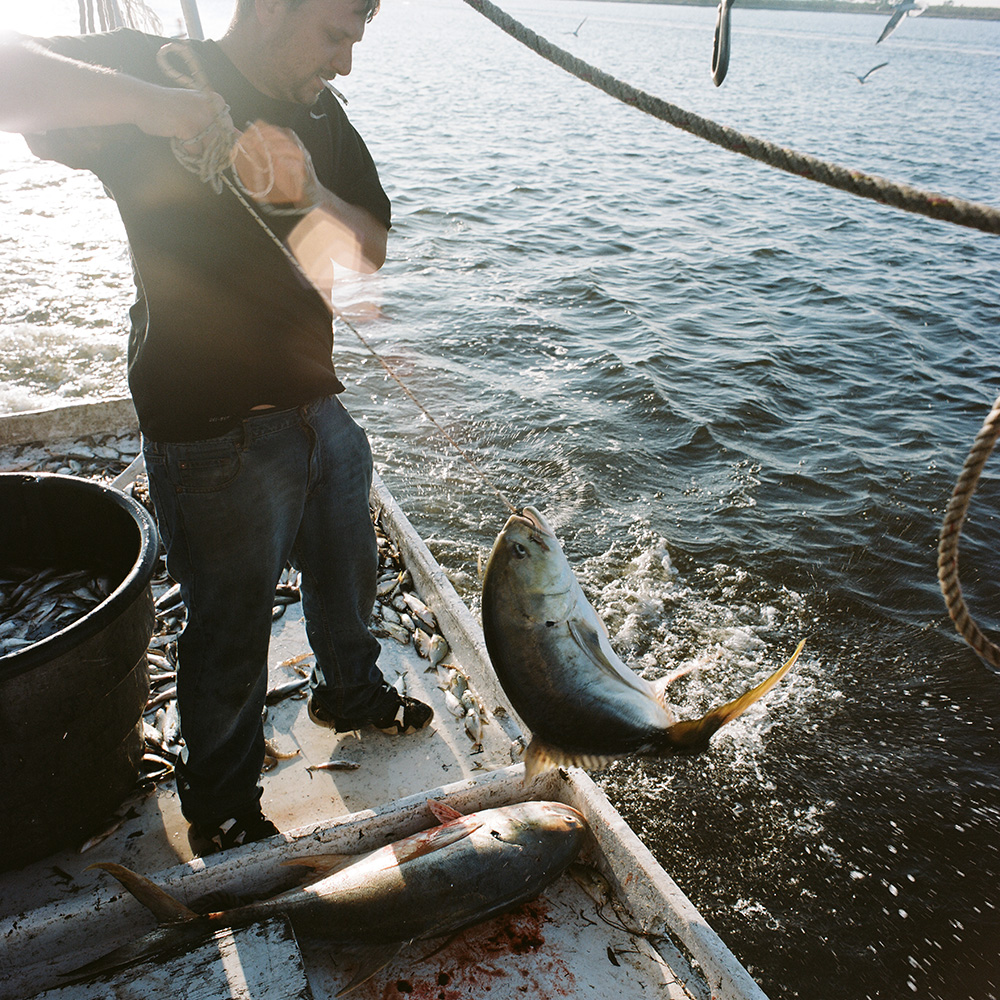
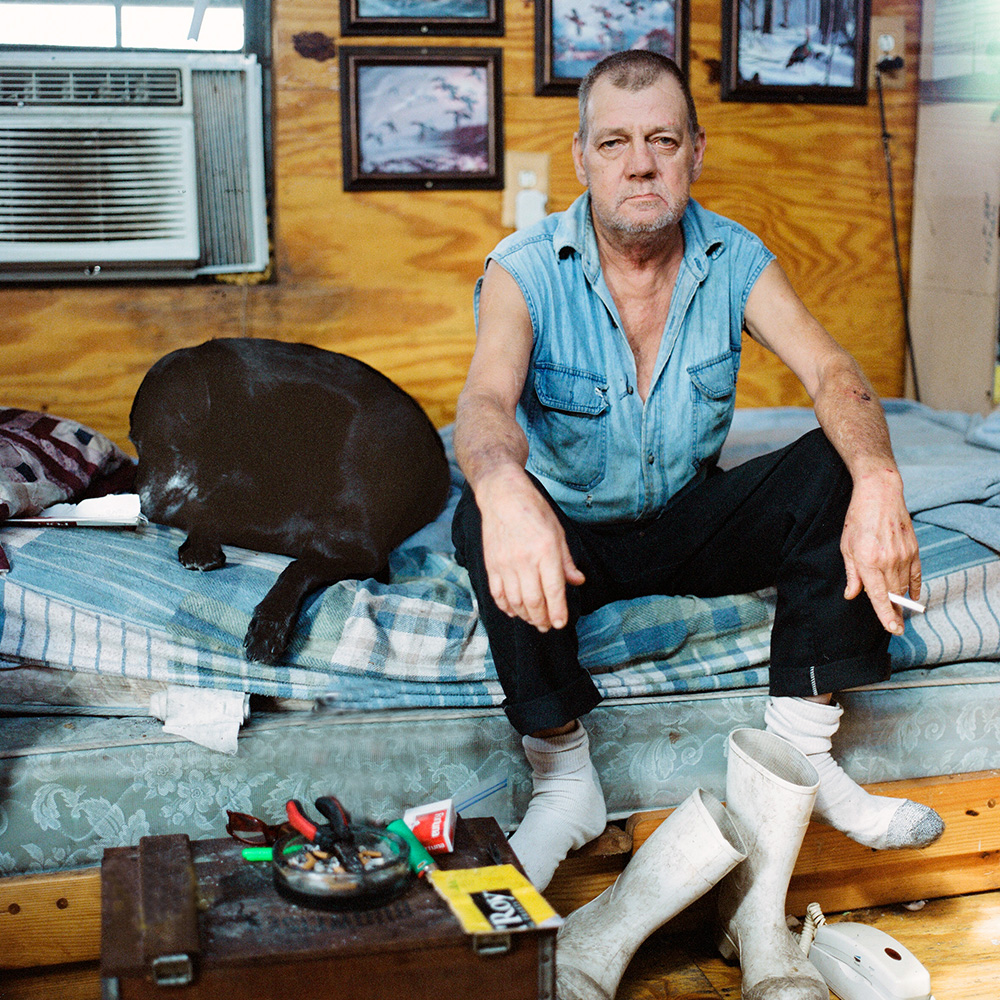
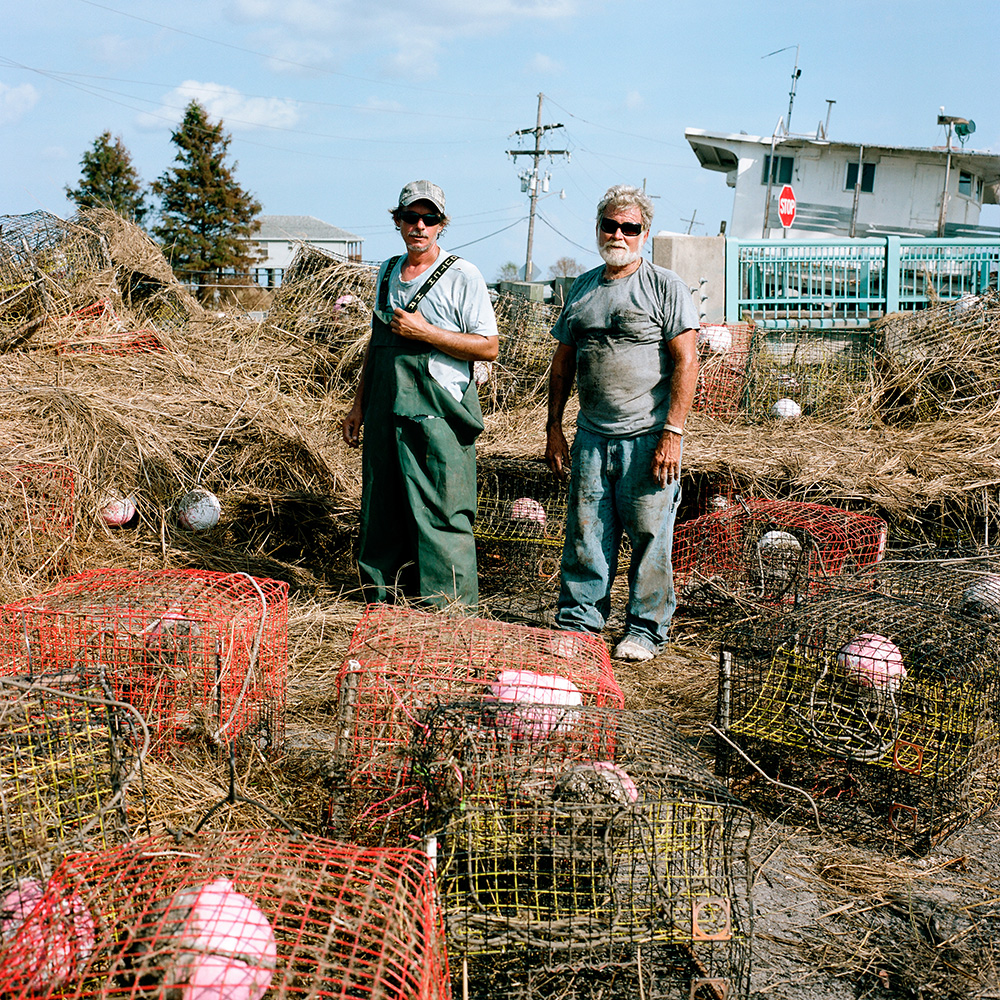
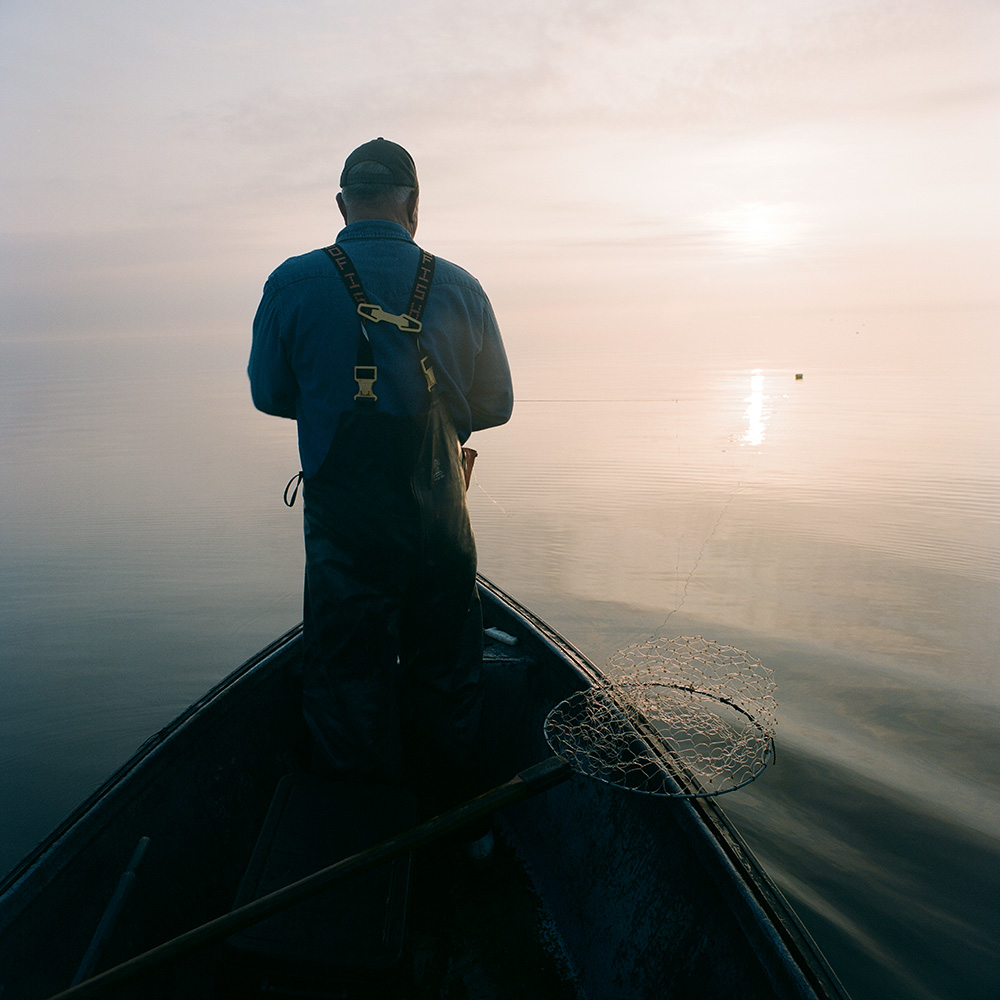
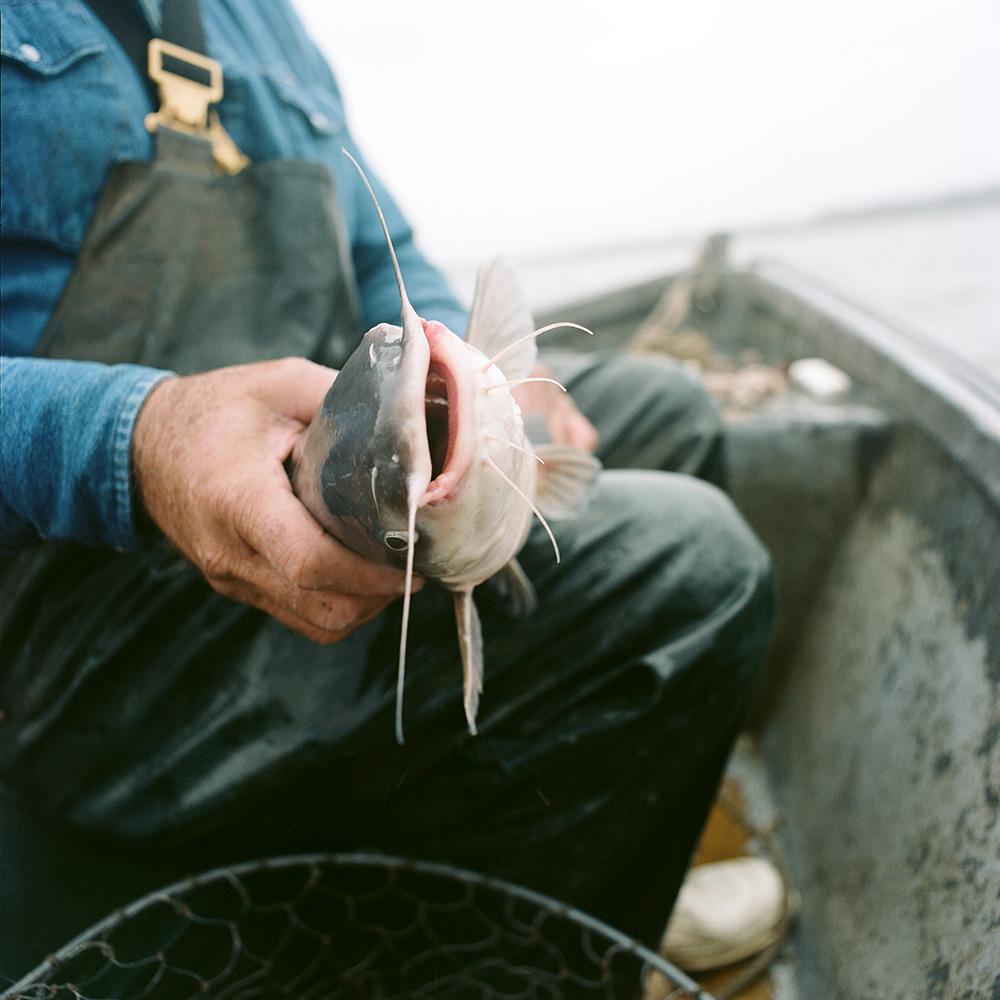
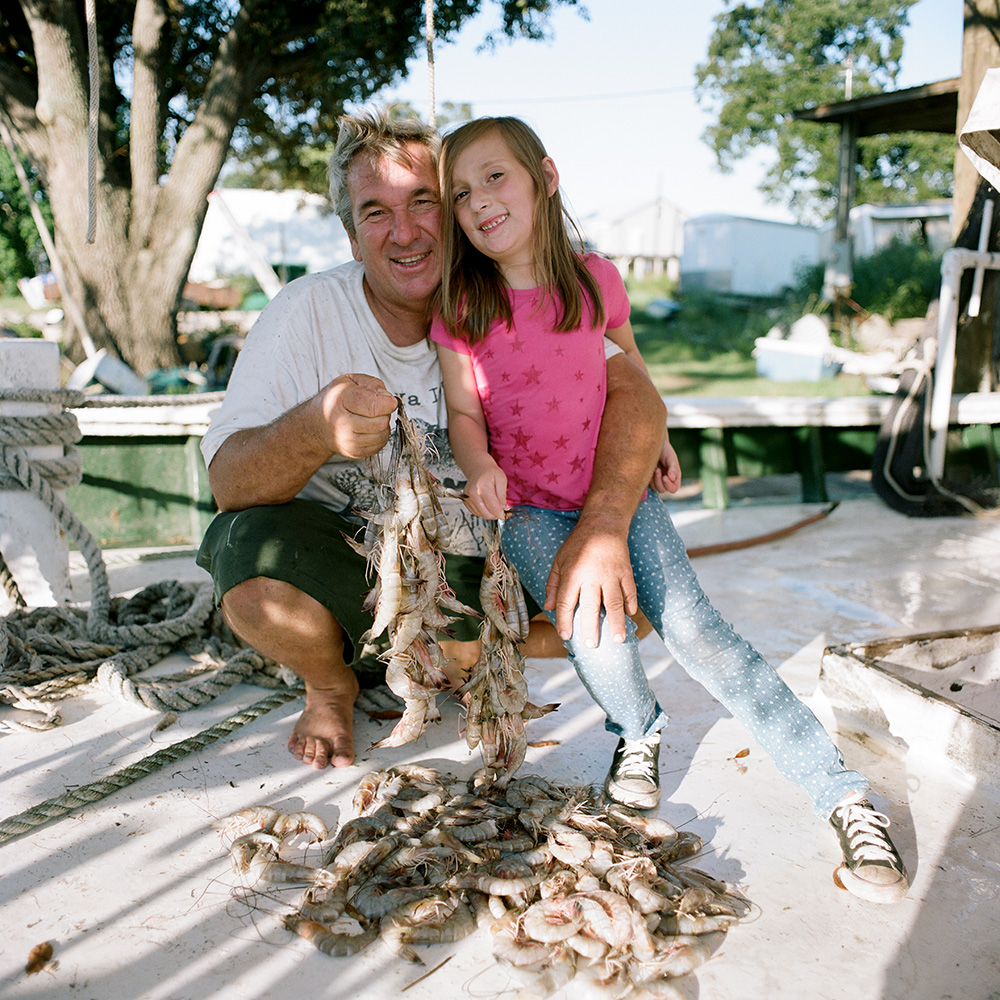
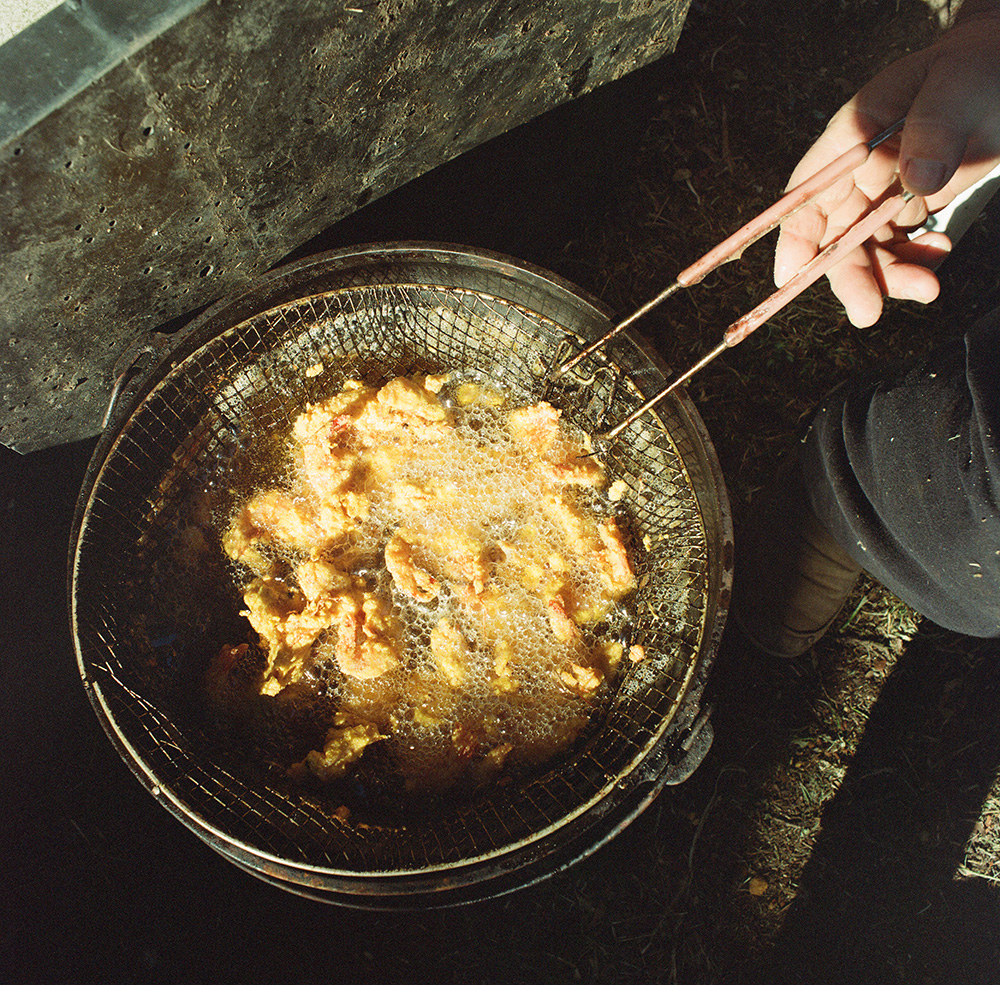
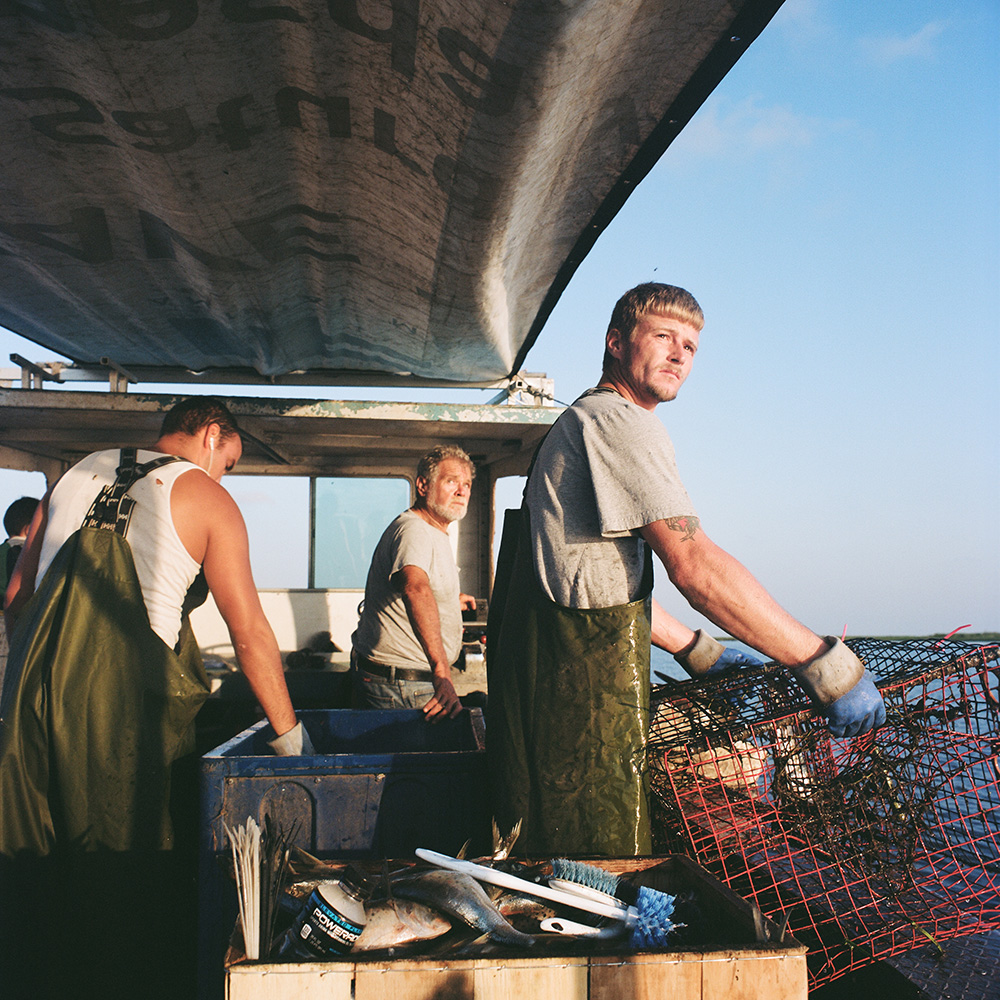
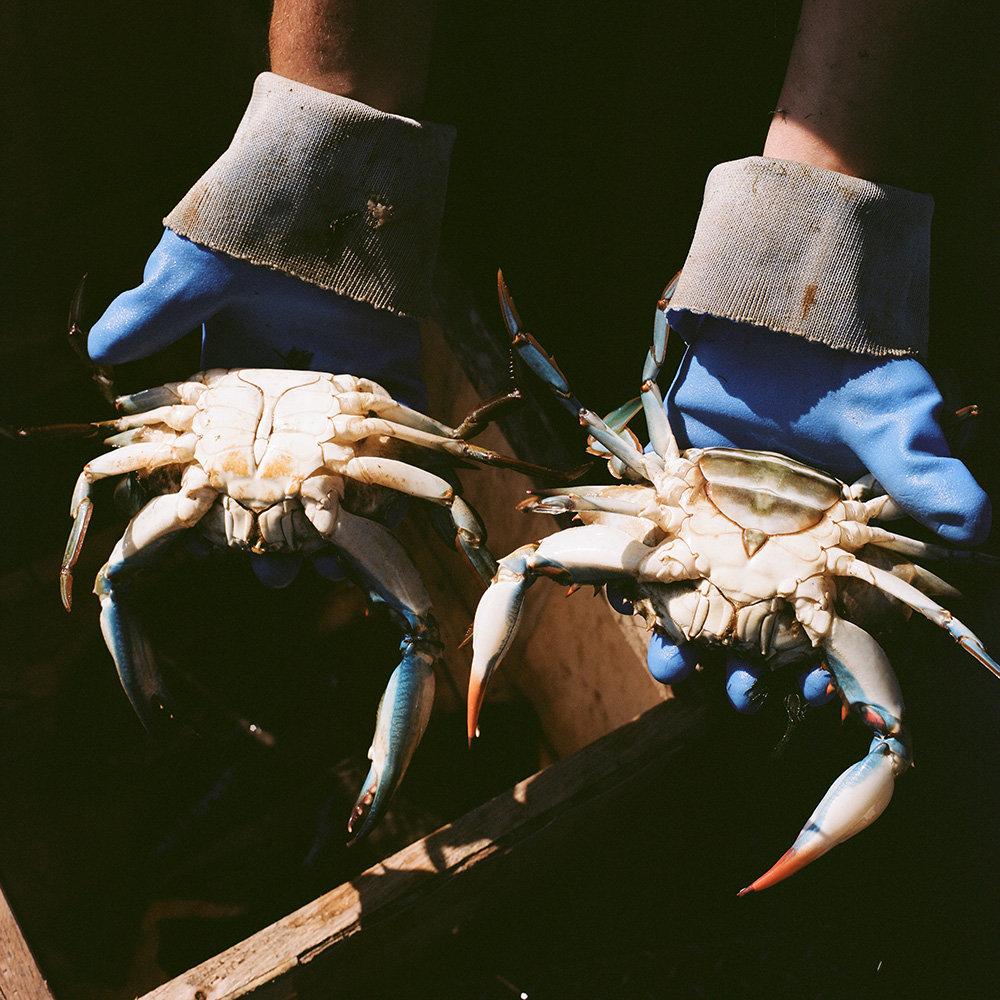
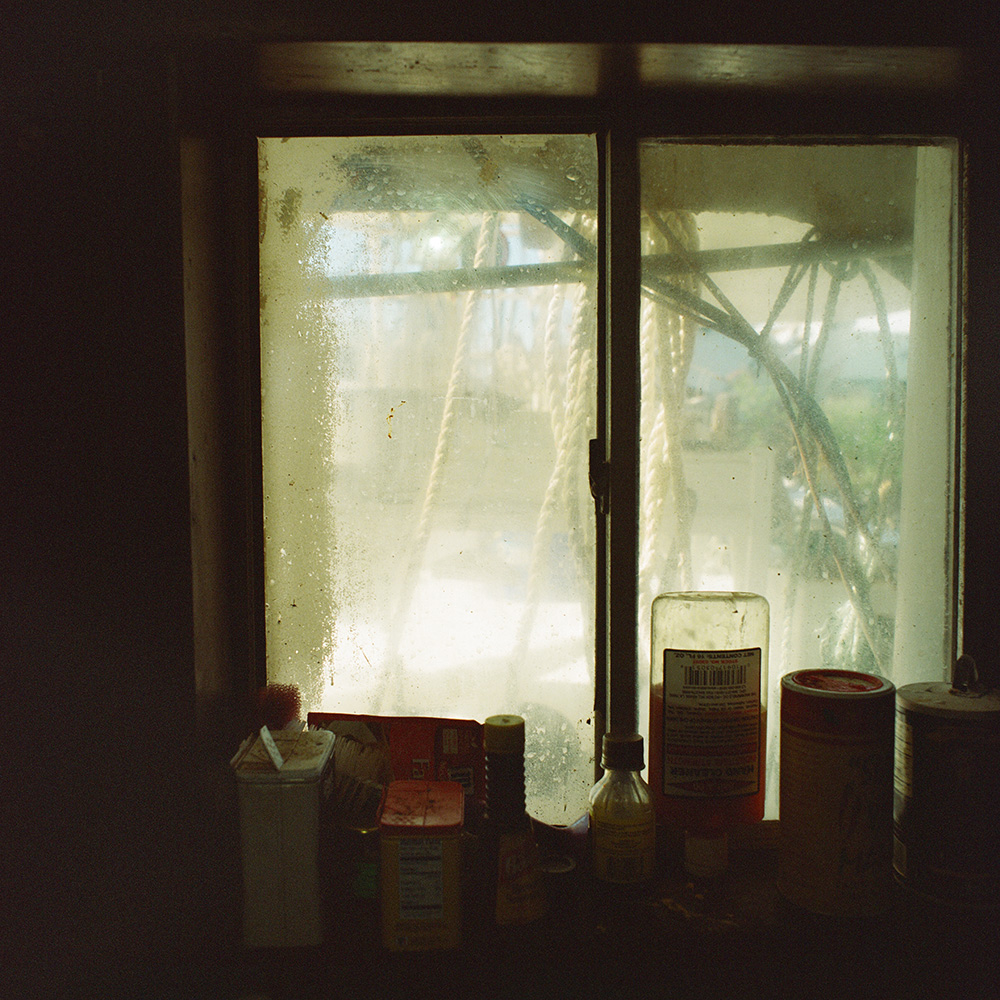
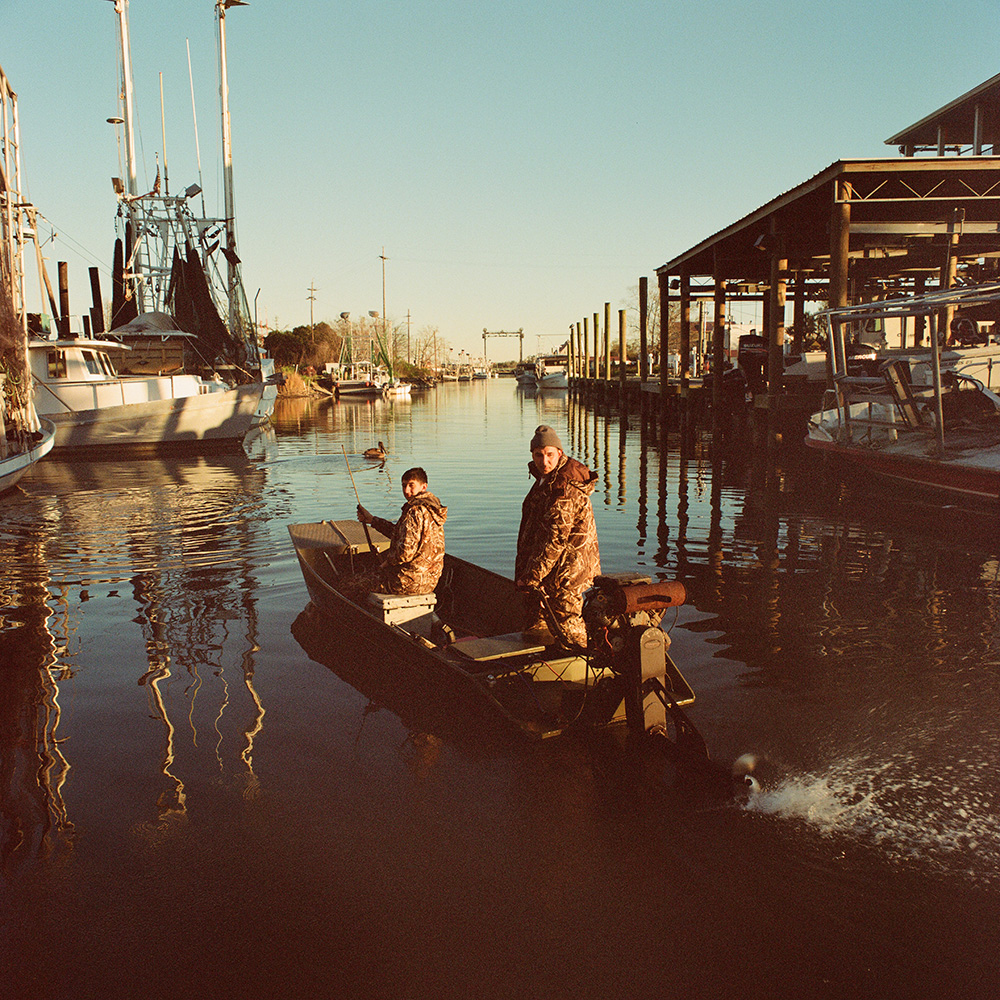
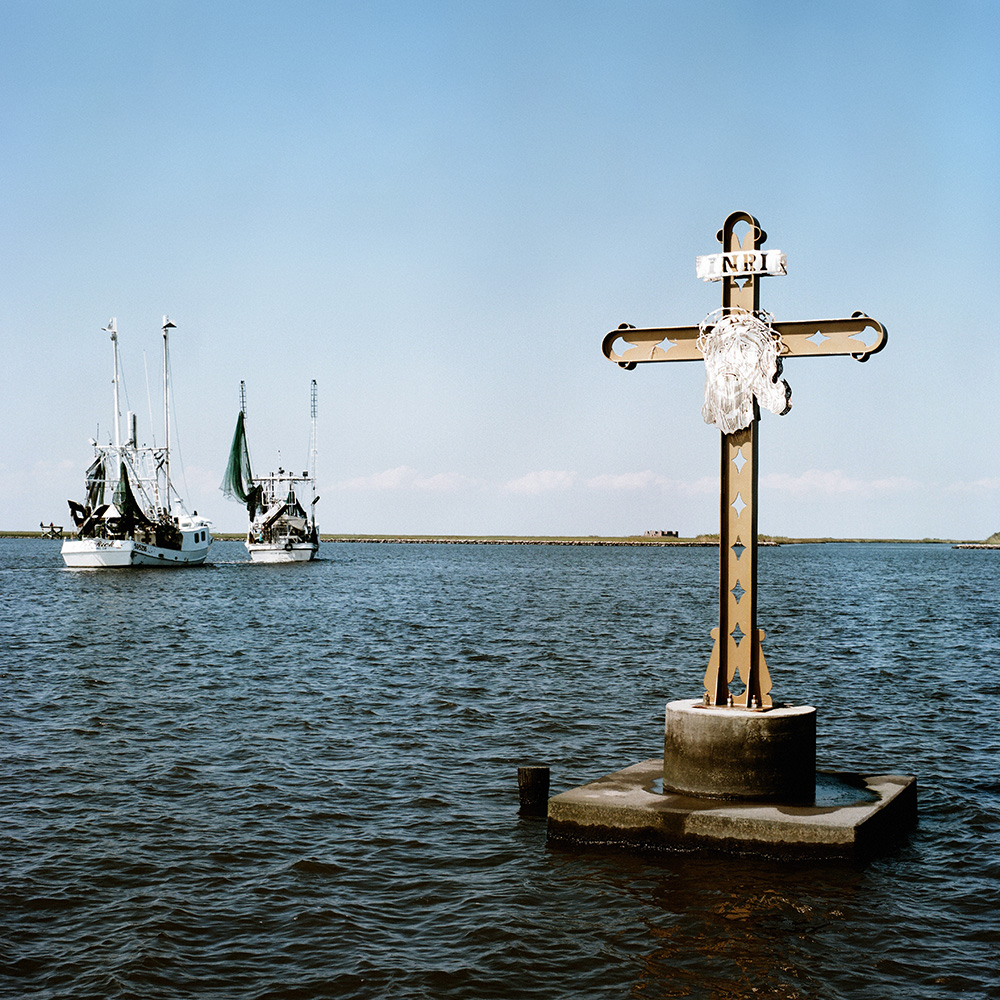
Fish Town preserves, through photography and oral history recordings, the cultural and environmental life of southeastern Louisiana’s fishing communities. Because of the vanishing coastline, people who are multi-generations deep in their fishing traditions have watched their towns quietly slip toward extinction for decades, with few means of historic preservation. These are the same places that have not only made New Orleans an epicenter of fresh seafood dining, but have also traditionally served as getaways for New Orleanian families, providing them with an escape to nature where time is spent together sport fishing on the lakes and bayous and gathering around crab and crawfish boils. J. T. Blatty has been traveling “down the road” from her home in New Orleans since 2009 and has captured the people and these vanishing places as no one previously has.
Fish Town: Down the Road to Louisiana’s Vanishing Fishing Communities includes 137 color photographs and an introduction by the author, recollections by longstanding members of the fishing communities, informative notes about each photograph, and a conclusion by Craig E. Colten, Carl O. Sauer Professor of Geography at Louisiana State University, who offers a compelling short history of the communities and Blatty’s remarkable book.

About
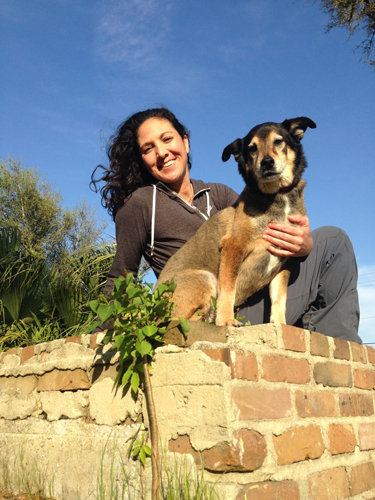
About the Author
Jenn Tuero (J. T.) Blatty was born in New Orleans, Louisiana, in 1978. She graduated from the United States Military Academy at West Point in 2000 and served six years as an active-duty U.S. Army officer, which included first-rotation combat deployments in Afghanistan and Iraq. After completing her service to the military and inspired by a love of capturing life, people and her personal experiences with disposable cameras, notebooks, and pens, she pursued photography and writing as her career. She currently resides in New Orleans, where she returned in 2010, after a photo internship with National Geographic Traveler. In addition to working commissions as a freelance photographer, she is also a represented artist, a correspondent for the New Orleans Advocate and a FEMA Disaster Reservist photographer. Blatty’s work has been exhibited in the Multimedia Moscow House of Photography in Russia, the Borges Cultural Center in Argentina, the Detroit Center for Contemporary Photography, and the Ogden Museum of Southern Art in New Orleans, among other museums and galleries. Her photographs and articles have appeared in CNN Photos, Newsweek/The Daily Beast, the Oxford American, National Geographic Traveler, Charleston Magazine, Savannah Magazine, U.S.A. Today, and Smithsonian Magazine, among many others. In between photography projects and commissions, Blatty has been writing a book about her experiences in the military during a time of combat and the challenges and adaptations she faced as a young adult graduating from West Point a year before 9/11. Click here to go to her website.
About the Contributor
Craig E. Colten is the Carl O. Sauer Professor of Geography at Louisiana State University and the author of An Unnatural Metropolis: Wresting New Orleans from Nature (LSU, 2005), which was awarded the John Brinckerhoff Jackson Book Prize of the Association of American Geographers for the Best Book in Human Geography; Perilous Place, Powerful Storms: Hurricane Protection in Coastal Louisiana (Mississippi, 2009), and Southern Waters: Limits to Abundance (LSU, 2014).
Slide Show


Praise
“Fish Town: Down the Road to Louisiana’s Vanishing Fishing Communities, a new book by J. T. Blatty about life in southeastern Louisiana’s fishing communities, is a compelling and unpretentious document of a region and its people, surviving in the face of economic decline and rising, warming seas. Blatty’s view of the region she photographed over the course of six years…”
—Dzana Tsomondo, pdn: Photo District News (read full article here)
“What a beautiful book and a great body of work.”
—James D. Barbee, author of Sin Sombras/Without Shadows

“J. T. Blatty’s Fish Town is a remarkable work—it reflects the past and considers the future while fully inhabiting the present. At the far reaches of coastal Louisiana, where water overtakes earth, Blatty has made aerial shots, landscapes, and portraits that give life to this particular place in a particular moment—of work and home, of life as it’s lived—to create a lasting record of transient terrains and shifting realities. She includes recollections from the people she meets, which adds voice to her brilliantly distinct and patient pictures, and her own notes to her photographs root the images in words, fixing them irrevocably to the stories and histories that are their firm ground. That Blatty shoots with film, takes her time, only adds to the reader’s ability to slow down and experience this place at the edge, subject to weather and change, holding on. “
—Alexa Dilworth, Publishing Director and Senior Editor at the Center for Documentary Studies at Duke University
“J. T. Blatty’s immersive journey into the fishing communities and watery terrain of southeastern Louisiana is a love letter to an abundant and visceral universe. Years in the making, her book shows us a place of beauty and struggle set in a fragile world of water, big skies, and delicate land. We enter a place where varied people have subsisted for generations by fishing, a place where tradition and memory are strong, and a place that slowly disappears because the natural balance of primordial nature has been damaged by human artifice and natural disasters, endangering a unique way of life. Still, throughout the pages of Fish Town there is a distinct sense of persistence and resilience by both nature and people. And always there is the defining presence of water and more water. “
—James Wellford, Senior Photo Editor, National Geographic
My Place

There’s not really a place for someone like myself. It’s more of a space . . . and when I say, “like myself,” I’m referring to someone who has always been asked, “Are you an Army brat?” when they hear the list of towns where I’ve lived or have called home, never really knowing which one should be labeled as where “I’m from.” But in that space of mine, there’s always water, giving movement to a world that might otherwise feel claustrophobic without.
There’s often another person with me, maybe two, and they might be walking a half mile or only five feet away. Whatever the case, speaking is never necessary, but when words are spoken, they are remembered well.
There’s always a dog, maybe three, but at least one running off of a leash and exuding a kind of freedom I only wish I was capable of embracing.
And then there’s always a mystery, an adventure, a treasure to be found, somewhere in this intersection of space and time, where today, millions of years ago, and tomorrow meet seamlessly.