
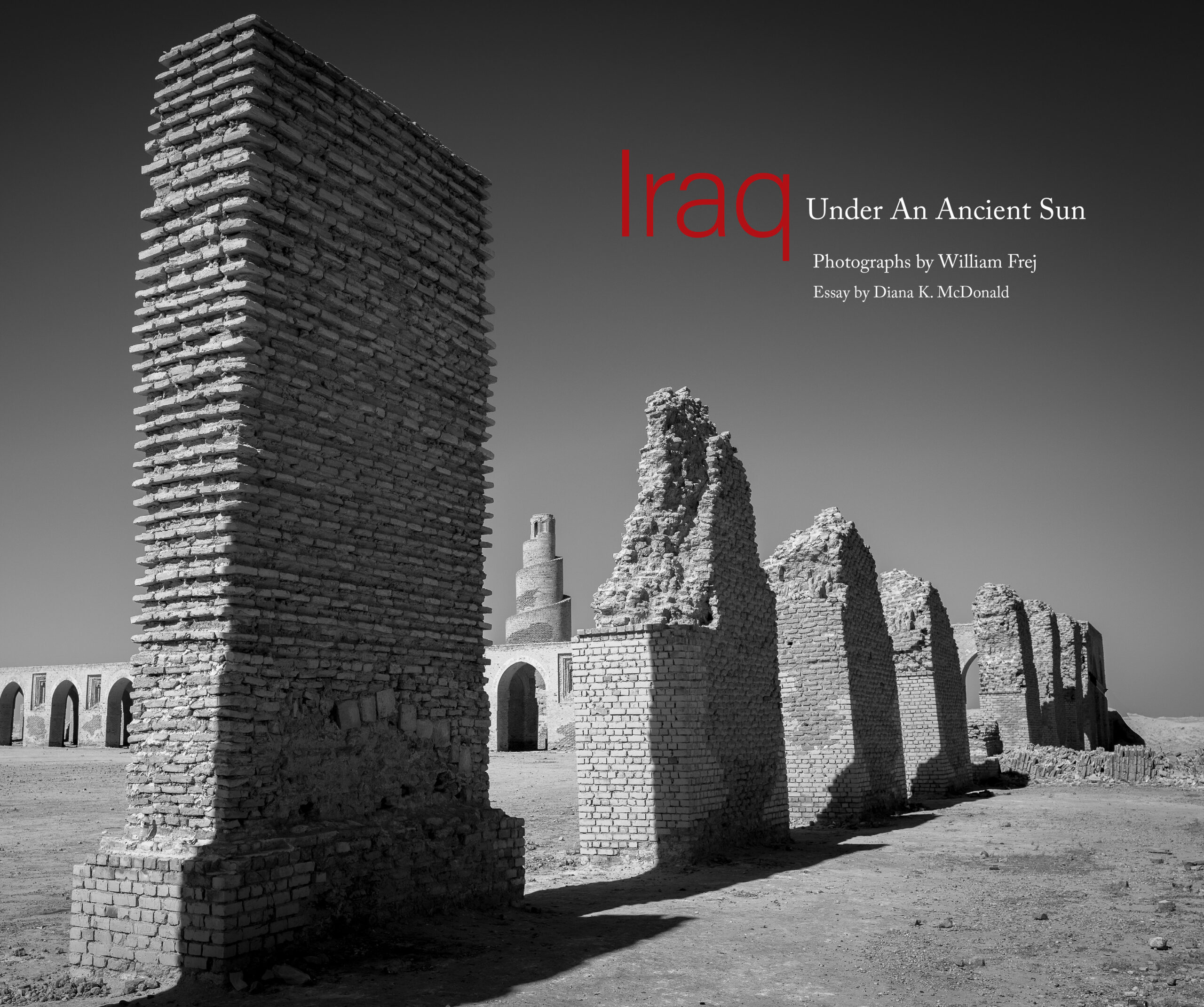
$55.00 U.S. (trade discount)
No e-book has been authorized.
Hardcover/PLC
244 pages with 1 map (color) + 132 duotone photographs by William Frej + 8 color historic illustrations of artifacts = 141 illustrations
12.0″ x 10.0″ horizontal/landscape
ISBN: 978-1-960521-15-6
Forthcoming October 2026
Distributed by Casemate/IPM
www.casemateipm.com
Published in association with the
Center for the Study of Place.
Events and Exhibitions
by William Frej
with a foreword by Willem McLoud and essays by Diana K. McDonald and Zaid Ghazi-Saadallah
An unforgettable look at the ancient cities and sites of Iraq where human civilization began!
Iraq: Under an Ancient Sun offers a striking present-day view of some of the world’s oldest cities in Mesopotamia, the “Cradle of Civilization.” Even today, thousands of years after reaching their historic pinnacles, these cities offer an incredible vision of the splendor and magnificence of Mesopotamia’s ancient world.
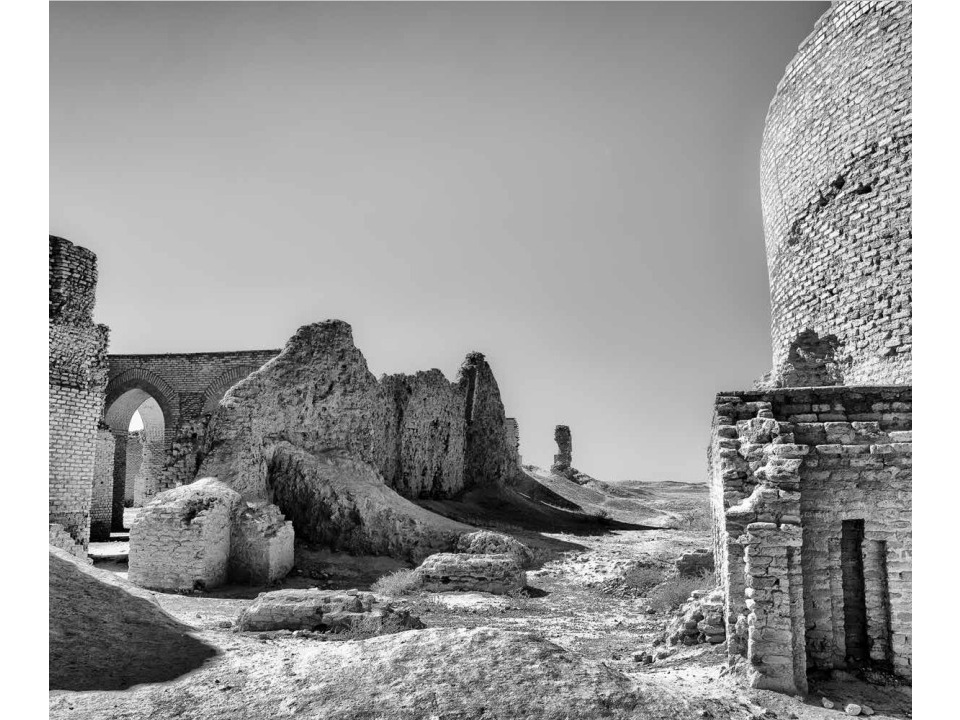
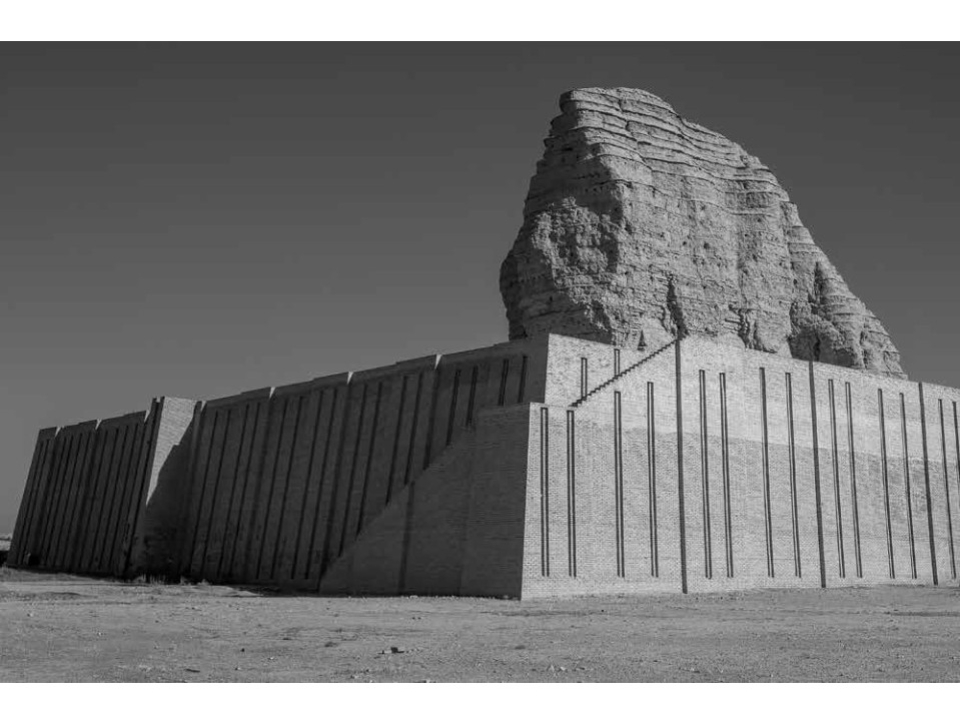
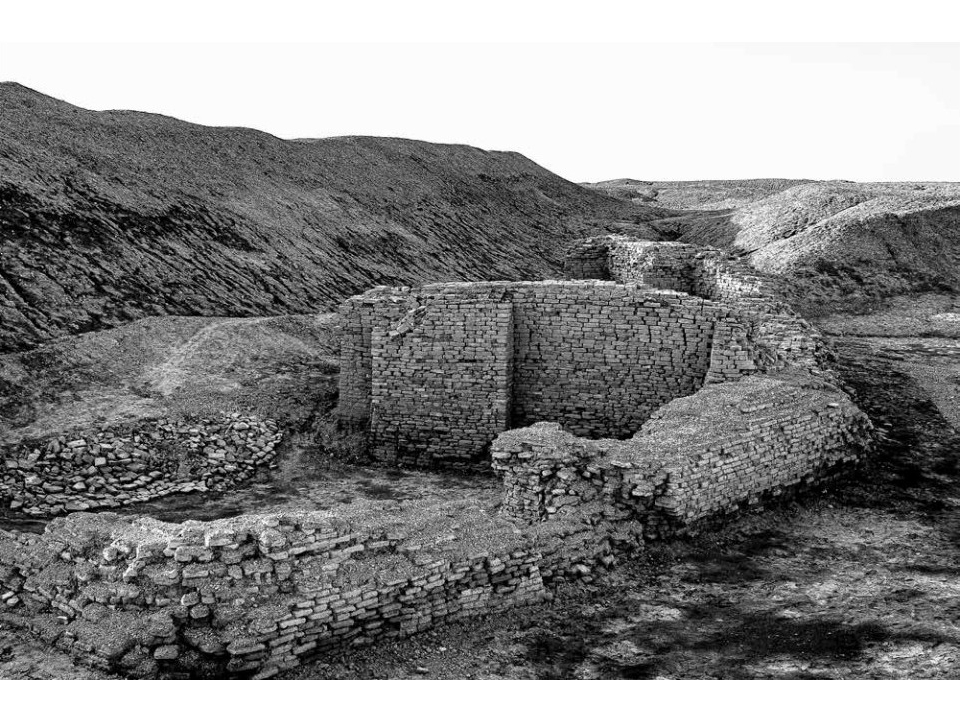
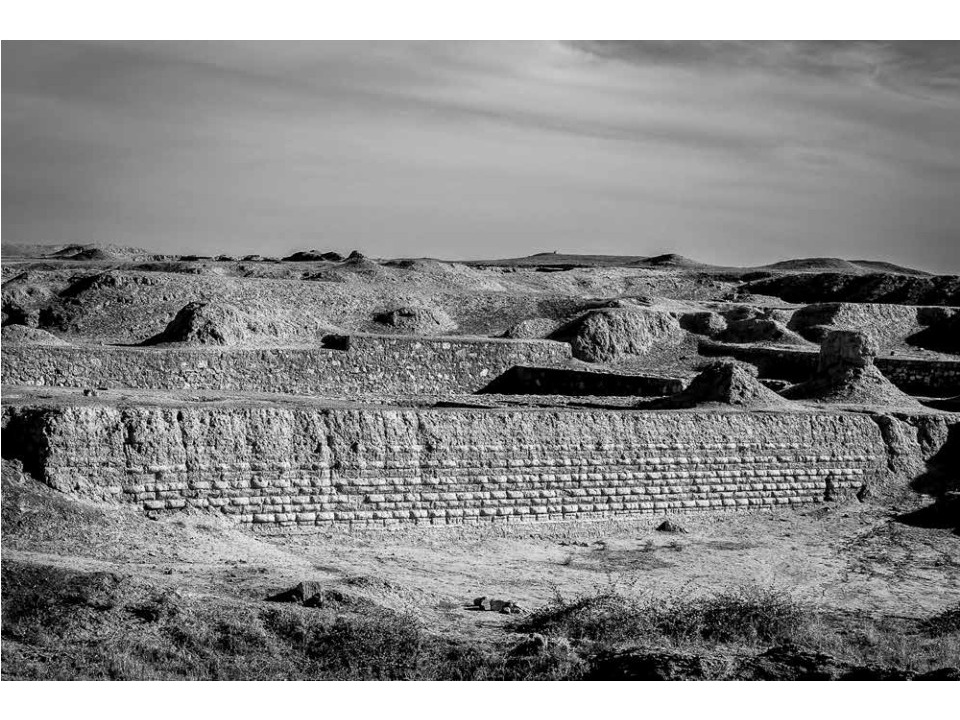
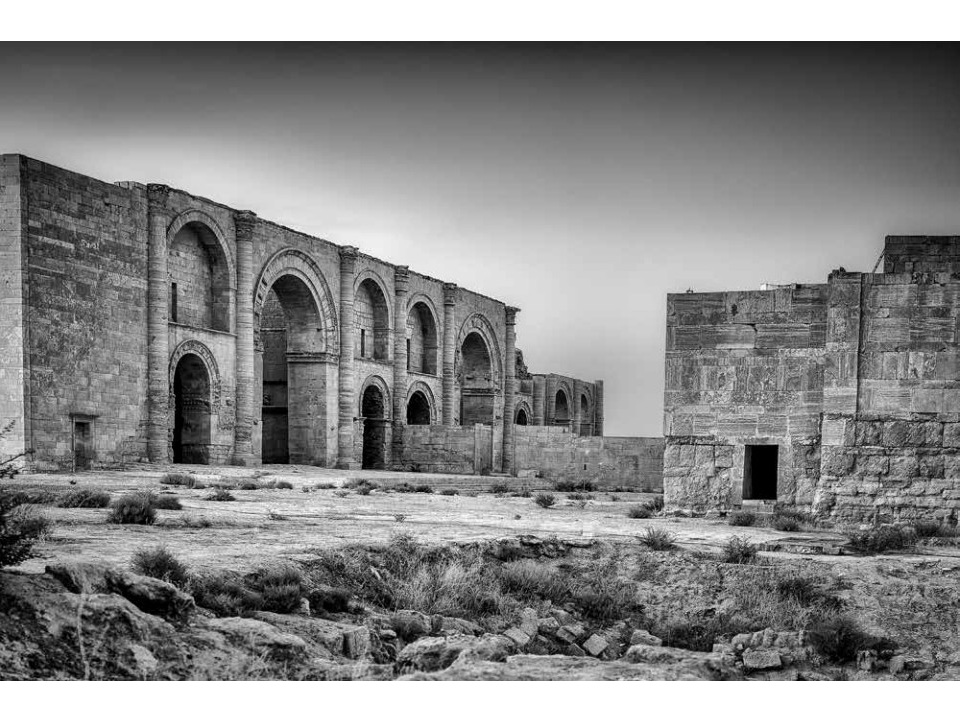
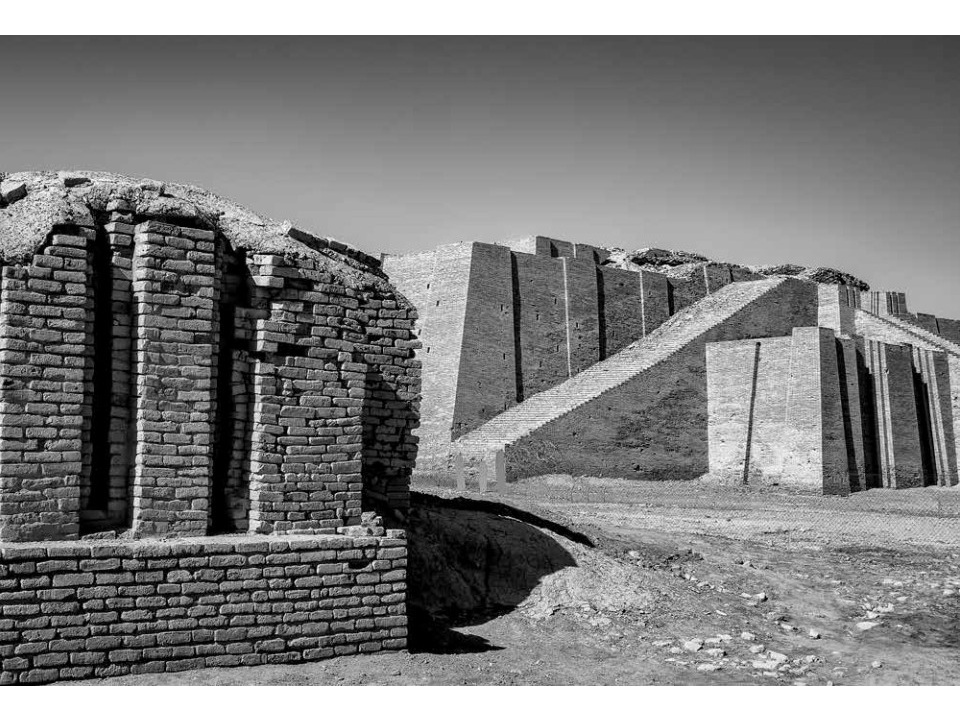
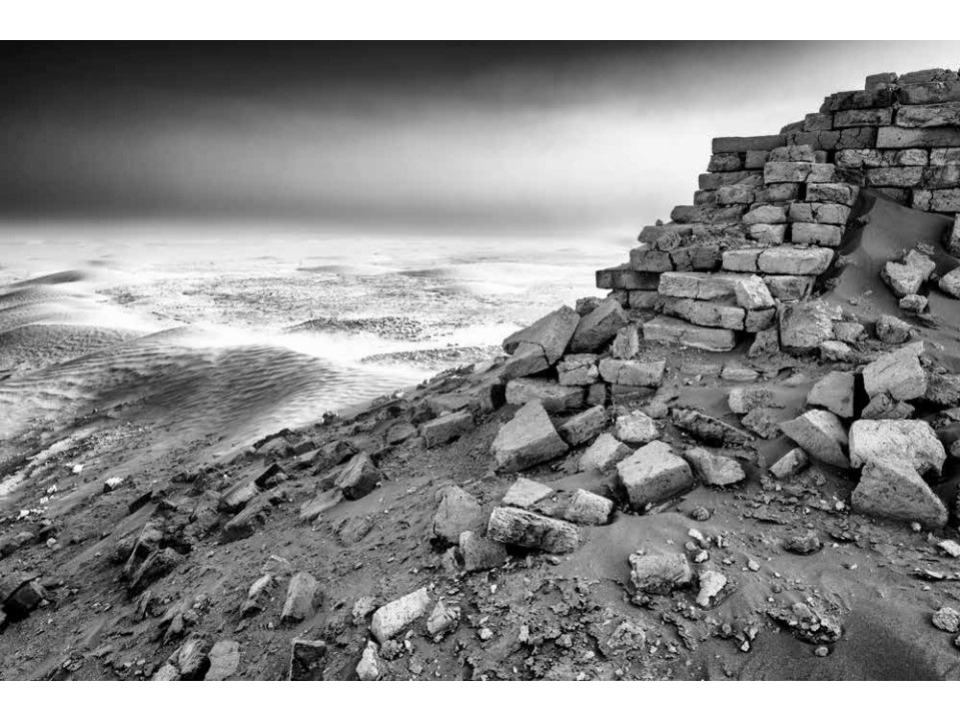
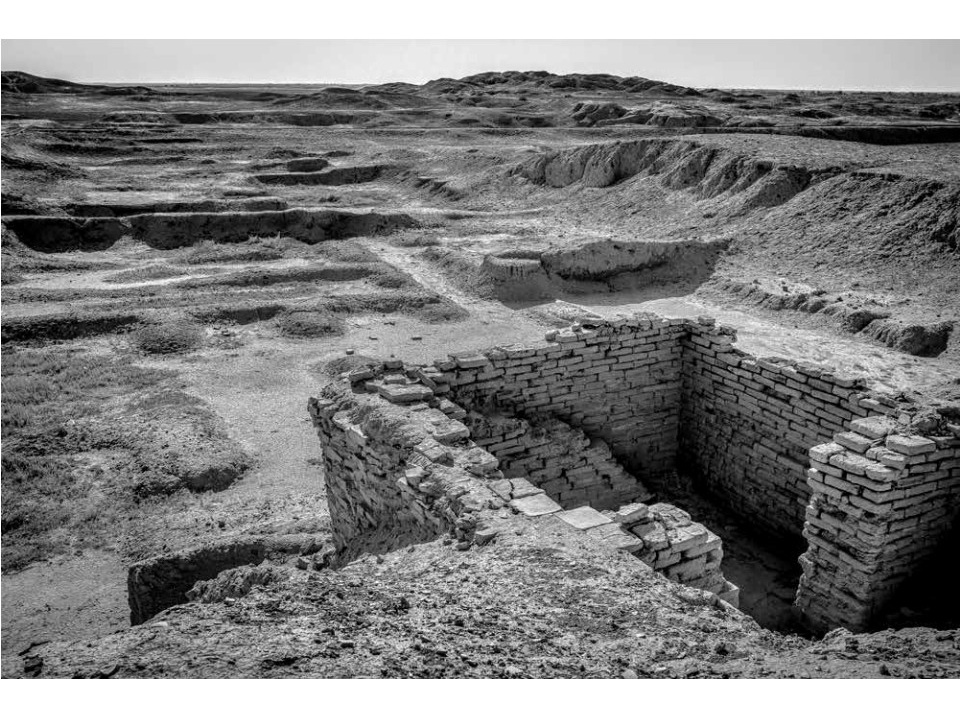
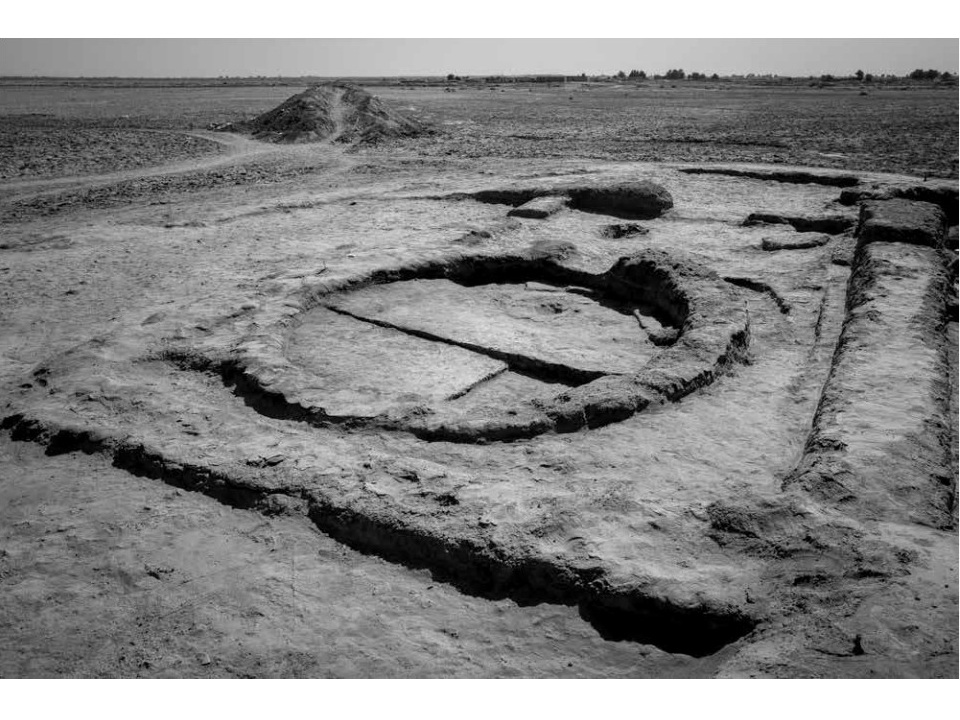
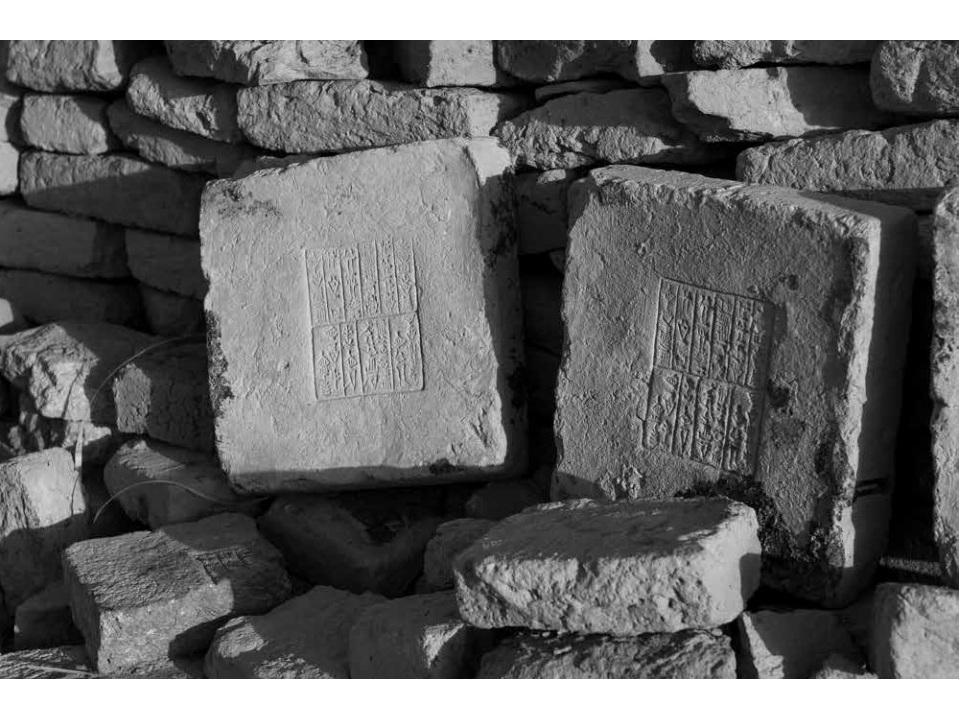
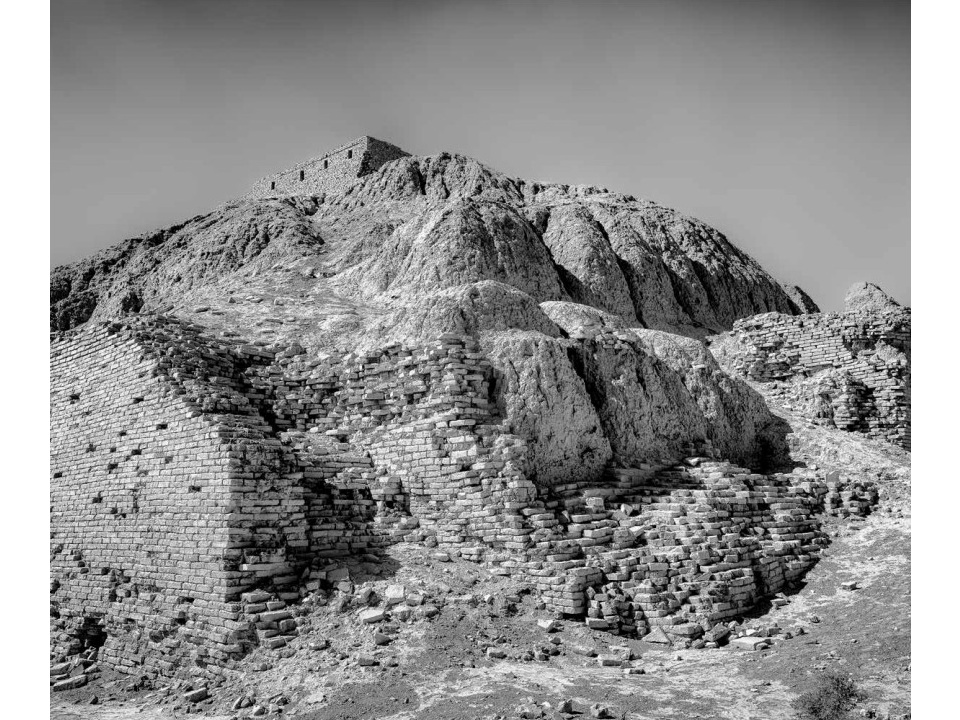
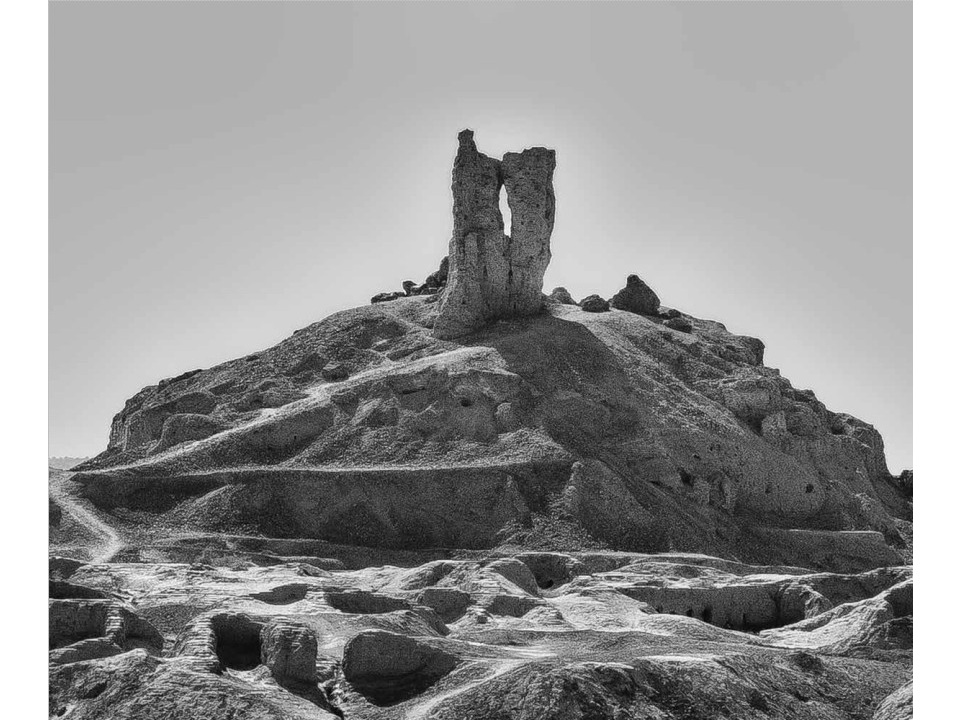
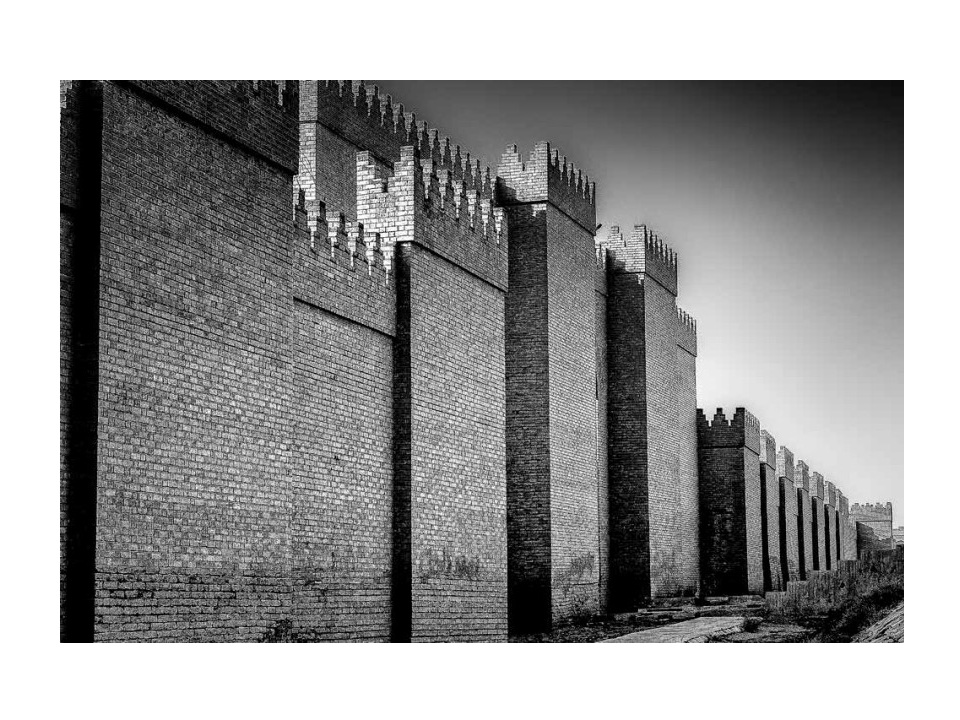
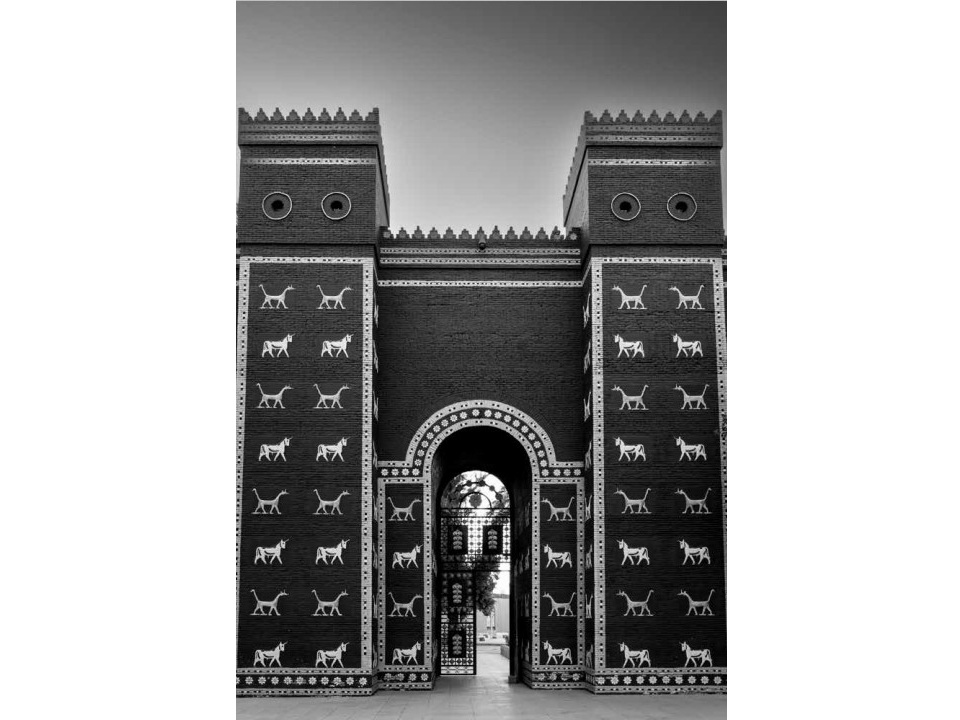
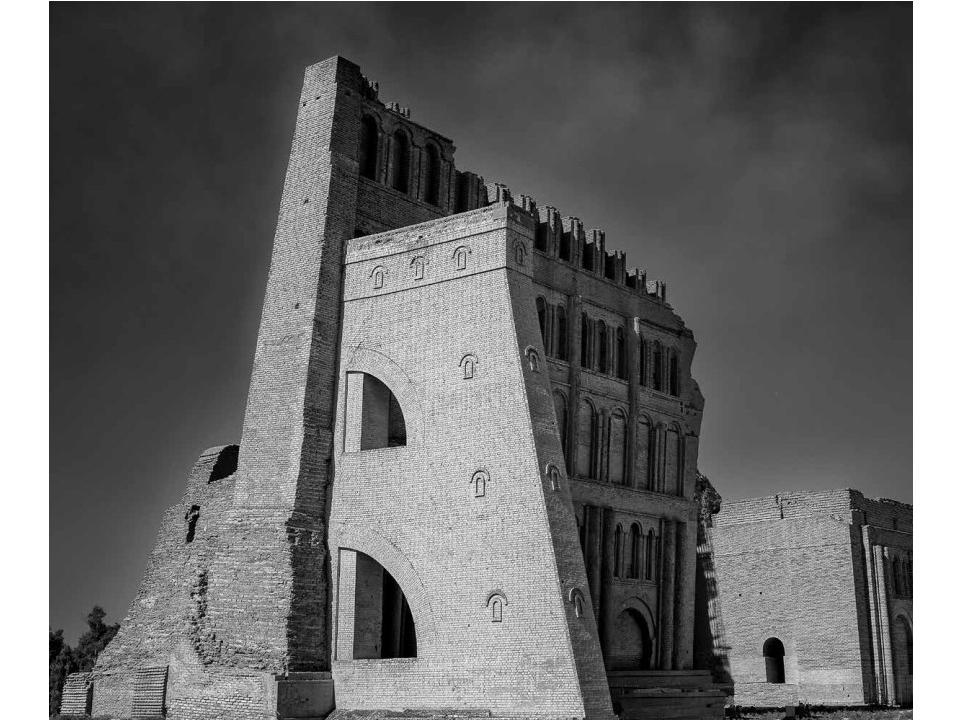
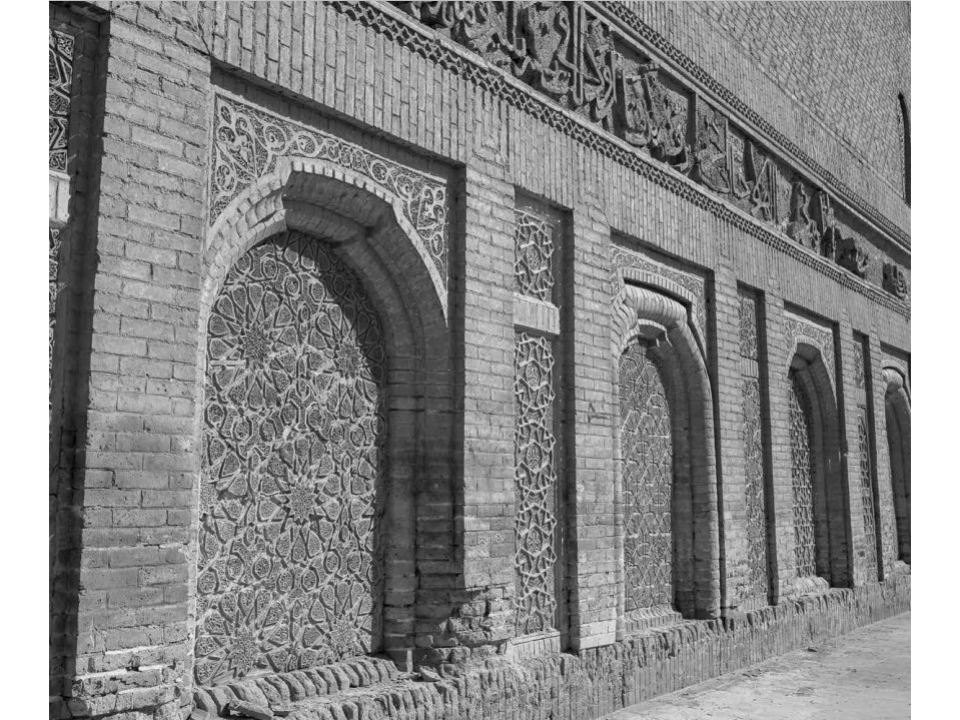
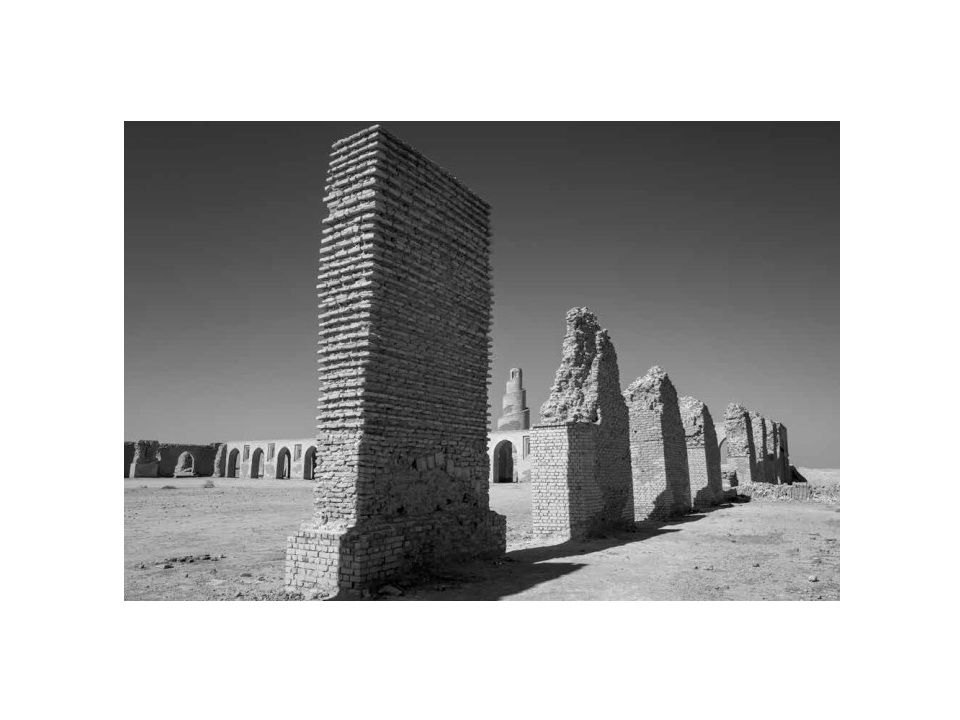
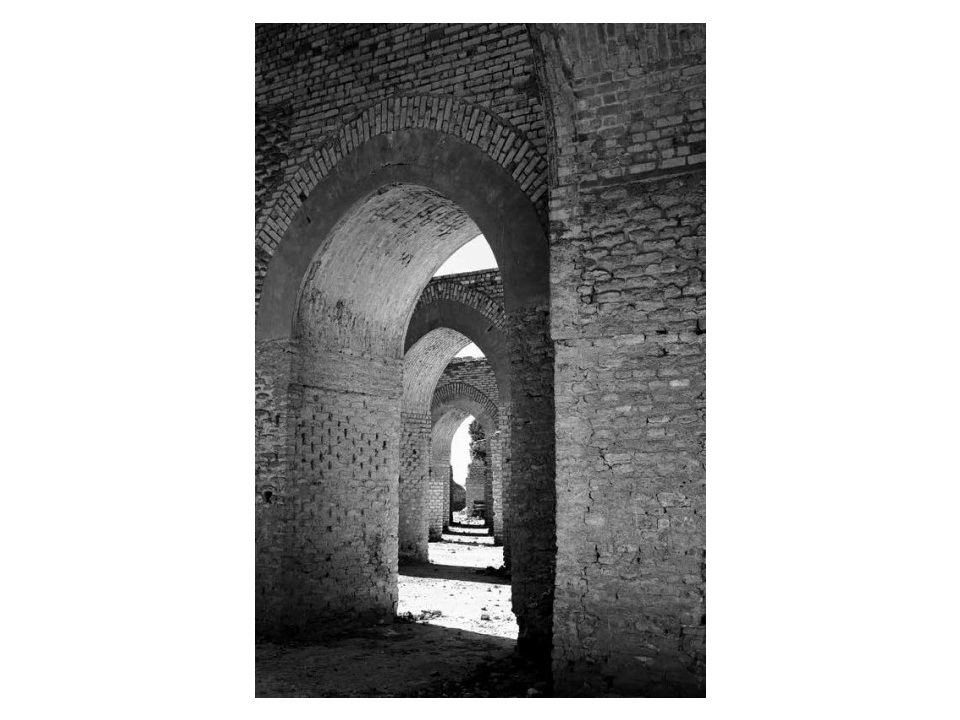
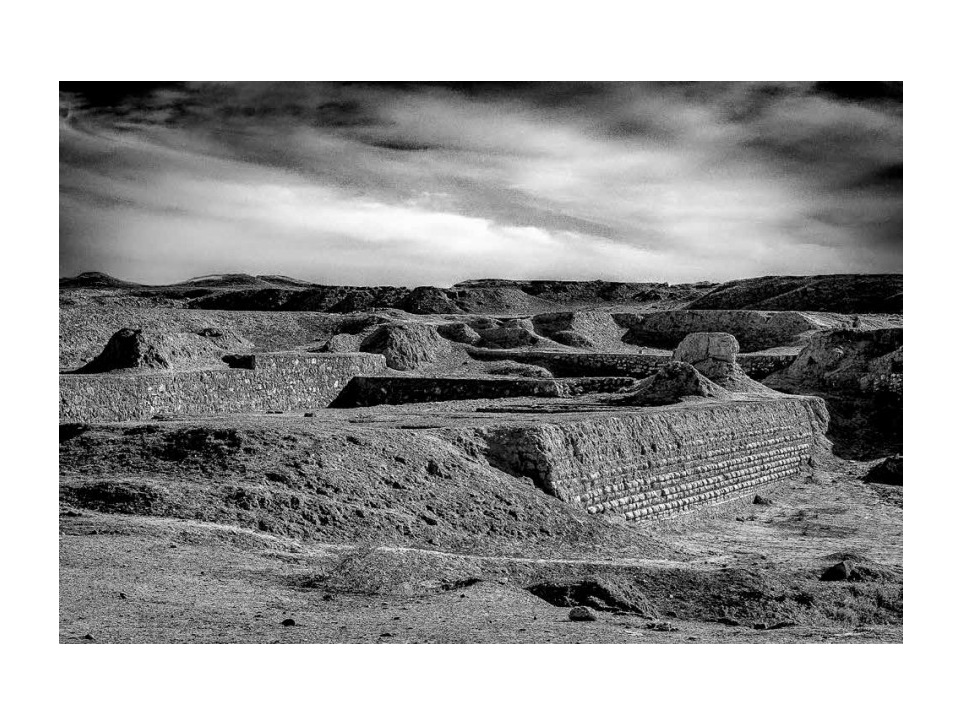
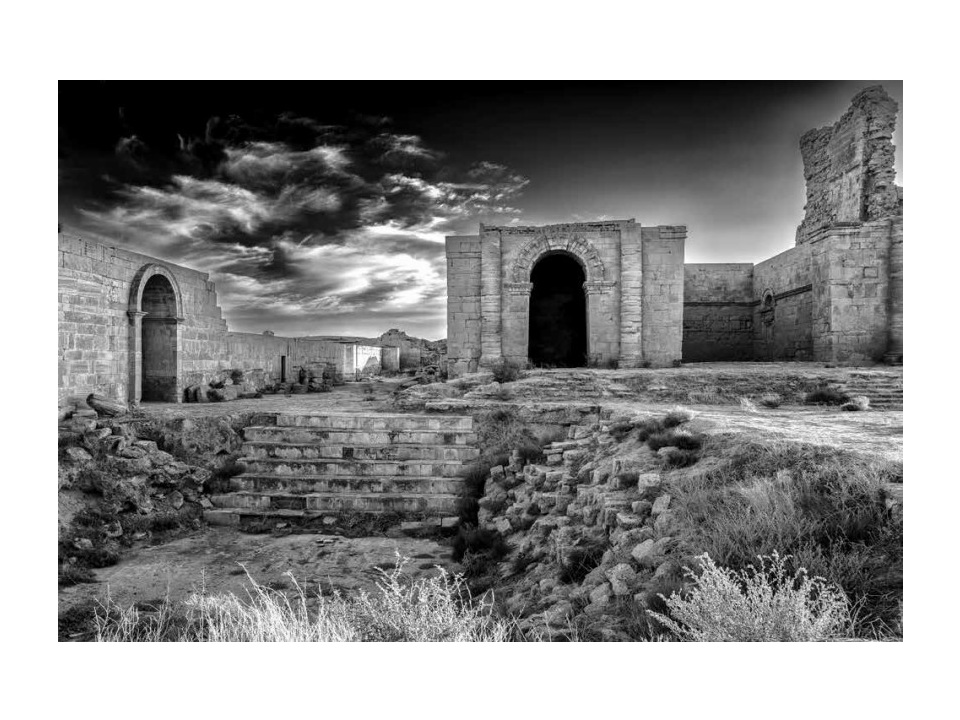
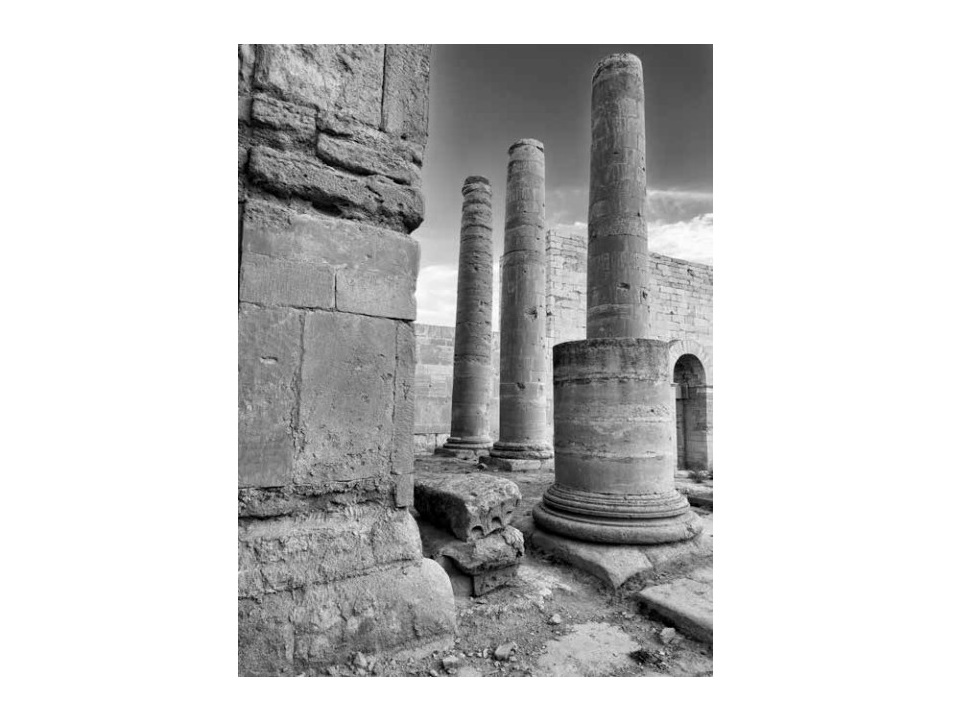
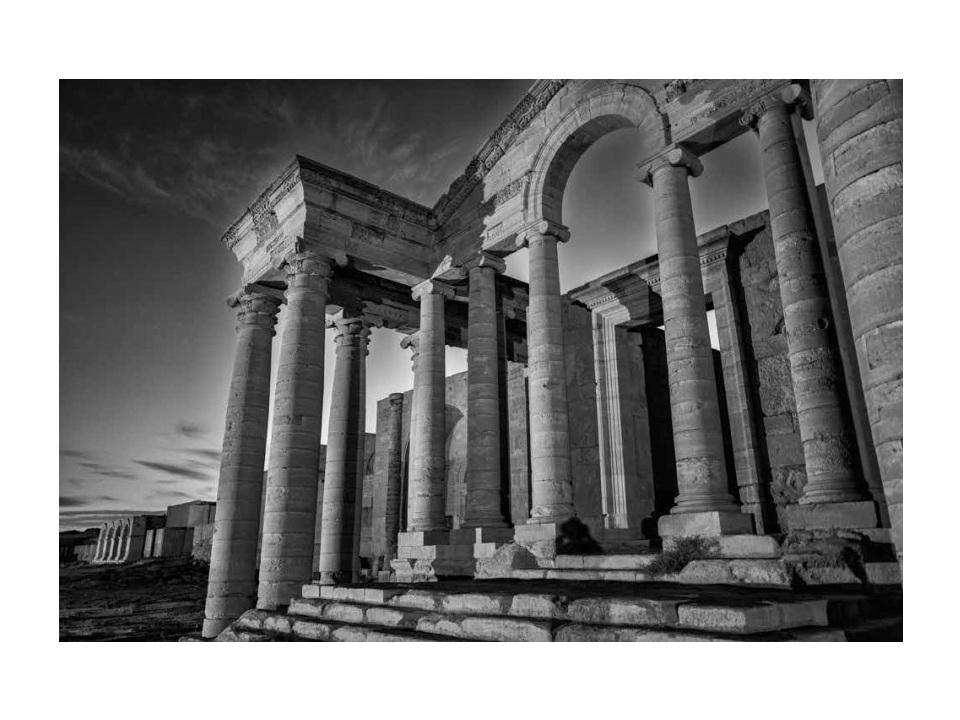
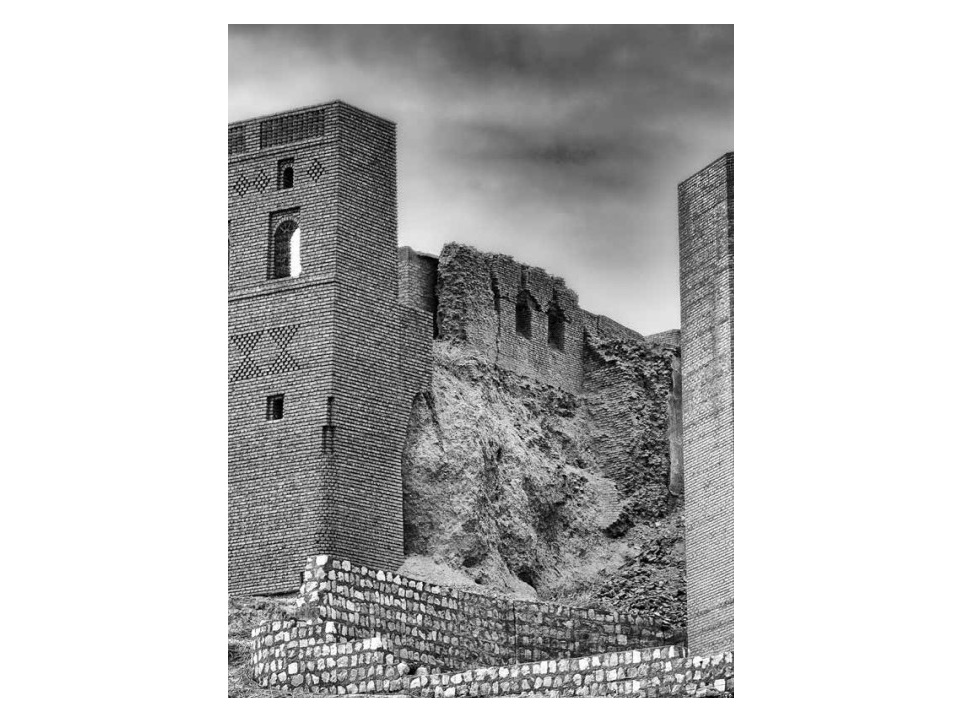
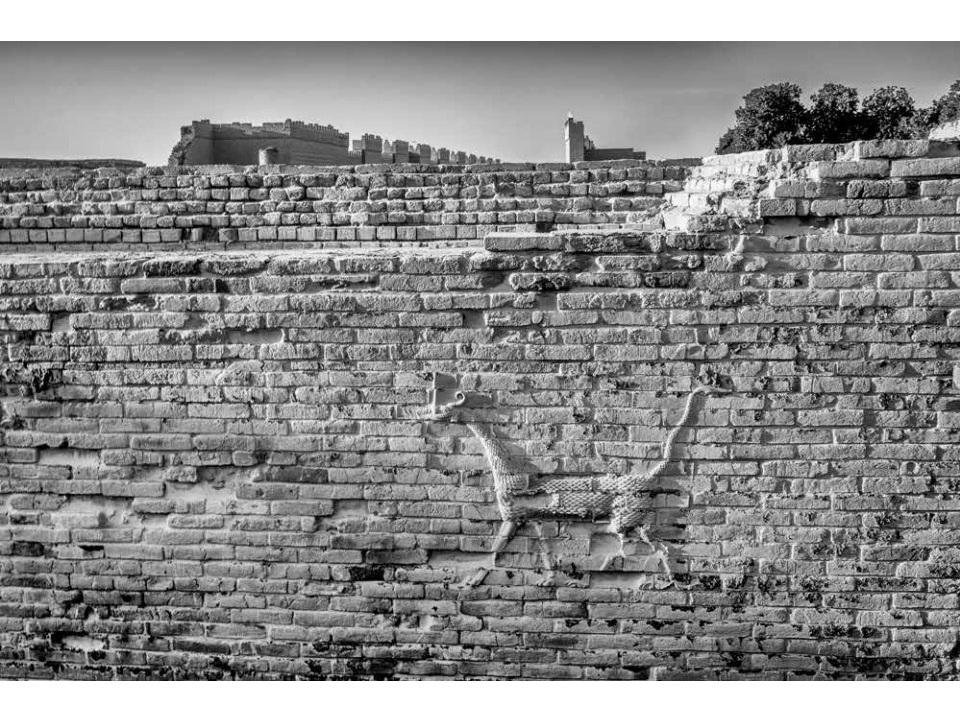
This visually stunning book features 132 duotone photographs by award-winning photographer William Frej, who documents twenty-three ancient cities in present-day Iraq, from Eridu in the south to Erbil in the north. In some places, the most visible remains of the ancient city are tells—huge mounds created by generations of human habitation that are now covered in dust and sand. At others sites, such as Ur, ziggurats have been largely restored and show their scale and the architectural skills involved in creating urban settings more than 5,000 years ago. And at Babylon original architectural elements and reconstructions combine to reveal a vision of one of history’s most famous cities.
In addition to Frej’s photographs, Iraq features a foreword by renowned scholar Willem McLoud and an introduction by William Frej, which sets the stage for the visual journey within. In his essay, by Zaid Ghazi Saadallah, Director of the Mosul Cultural Museum, offers his perspectives on contemporary preservation activities that highlight the resilience of Iraq in rebuilding its cultural heritage after years of conflict. And historical context is provided by an essay by art historian Diana K. McDonald who surveys the history of the region from Sumer in the fourth millennium BCE through the Akkadian Empire, Babylonia, and, to the north, Assyria and the cities of the Seleucid, Parthian, and Sasanian Empires. Iraq is a book that informs, inspires, and enlightens readers about a place where human civilization began.
About
About the Author
William Frej has an academic background and professional experience in architecture and city planning with degrees from the University of Arizona and U.C. Berkeley. In the mid-1980s he and his wife traveled extensively in the mountain regions of Nepal, Pakistan and northern India. He then served as a career diplomat with the US Agency for International Development (USAID), living and working in Indonesia, Poland, Kazakhstan, and Afghanistan. His photographic work is represented in numerous public and private collections throughout the world and has been featured in a number of exhibitions at galleries and museums. Frej is the author of five multi-award-winning books: Maya Ruins Revisited: In the Footsteps of Teobert Maler (Peyton Wright/University of Oklahoma Press, 2020); Seasons of Ceremonies: Rites and Rituals in Guatemala and Mexico (Museum of New Mexico Press, 2021); Travels Across the Roof of the World: A Himalayan Memoir (George F. Thompson Publishing, 2022); Blurred Boundaries: Perspectives on Rock Art of the Greater Southwest (Museum of New Mexico Press, 2023); and Unforgotten: Ancient Cities from a Distant Past (George F. Thompson Publishing, 2025). The Lowell Thomas Travel Journalism Competition awarded a Silver Medal to Travels Across the Roof of the World in 2023.
About the Contributors
Diana K. McDonald is an art historian and lecturer who taught at Columbia University and was on the Fine Arts Faculty of Boston College for seventeen years. She worked at the Ancient Near Eastern Department of the Metropolitan Museum of Art, curated and lectured at the Boston Museum of Fine Arts, at Emory University’s Michael C. Carlos Museum, at the National Museum of Indonesia in Jakarta, where she was a Henry Luce Scholar, and for the Ministry of Culture and National Heritage when she lived in Poland. Dr. McDonald has written numerous articles and book chapters, including nine essays for The Looting of the Iraq Museum, Baghdad (Harry N. Abrams, Inc., 2005), the essay “Ishtar, Lions and Love” in A Legacy of Learning in Near Eastern Archaeology (Archaeopress, 2025), and a chapter in Aphrodite and the Gods of Love (MFA Publications, 2011). She has curated private collections and is a Great Courses Professor, with her own thirty-six lecture series: “30 Masterpieces of the Ancient World.”
Willem McLoud is a scientist, scholar, philosopher, and author with a keen interest in Middle Eastern and Mediterranean studies. His main areas of study are early Egyptian civilization and the Sumerian and Akkadian civilizations of early Mesopotamia, with a focus on the legends and myths associated with these great heroic ages. McLoud is the author of The Nephilim (Creative Texts, 2021–2023), a trilogy tracing the long and legendary tradition of those claiming descent from the gods from ancient Sumer and Egypt through the Mediterranean and later into Europe. He is also the author of Dragon Seed: the Hurrians, Dragon-Slayer Myths and Traditions of Giants (Creative Texts, 2025) and Nine Ages of the Nephilim (Creative Texts, 2025).
Zaid Ghazi Saadallah is the Director of the Mosul Cultural Museum (MCM), a position he assumed in 2017 soon after the city of Mosul’s liberation from Daesh (ISIS). He has been involved in archaeological projects at Nineveh and Nimrud, Iraq and, at the museum, Mr. Saadallah directs museum staff and also works closely with international experts on the assessment, documentation, and restoration of the museum’s damaged building and important collection. He is a prominent spokesperson for the MCM’s post-conflict recovery, emphasizing its importance as a symbol of Mosul’s cultural identity and resilience. He also actively participates in community outreach and educational programs related to the museum’s rehabilitation.
Praise
Coming soon!
Slide Show
Iraq is a land of true wonder and greatness. Part of ancient Mesopotamia, which is known as the cradle of civilization, this is the place where cities were first created and where epic traditions of kings and emperors remain alive and well. It is also the place where Abraham, forebear of Israel and Arab nations, once lived. William Frej has captured Iraq as no previous photographer has, and the following photographs reveal the architectural masterpieces that still dominate the Iraqi landscape, bringing back to life a long lost age for all viewers to appreciate and enjoy.
My Place
Moving to California from Chicago in 1973 opened my eyes and mind to a whole new geography—the grand Sierra Nevada Mountain range. Its accompanying pleasures—hiking, climbing, and skiing—and meeting the people involved with these outdoor disciplines provided a new direction in my life that I have embraced for the past fifty years.
Berkeley, my new home, was a perfect location for exploring this mountain culture. The Sierras were only a three-hour drive away, and the Sierra Club’s national headquarters in San Francisco were just a short drive across the Bay Bridge, where slide shows and lectures by important mountain explorers were held monthly. A number of exceptional bookstores on Berkeley’s Telegraph Avenue carried first-edition books on subjects ranging from historic Himalayan explorations to Tibetan Buddhism. Mountain Travel and Inner Asia had just opened their new trekking businesses. North Face and Sierra Designs opened their flagship stores and factories for the first time in West Berkeley. For someone interested in mountains and mountain lore, Berkeley was the center of the universe.
Berkeley and the Bay Area were also meccas for photography My hiking and trekking trips throughout the Sierras, Cascades in Washington, and Andes in Peru provided ample opportunities for me to pursue this passion. And it was easy back then to meet the luminaries in the field as well as those who were also stars in the mountain-climbing world. Meeting Ansel Adams in Yosemite and taking photography workshops with Galen Rowell, a brilliant photographer and author who lost his life too early in his career, guided my pursuit of photography. Galen’s compelling books on his climbs in the Himalaya, the Karakoram, and Inner Asia inspired not only my photography, but also my expanding interests in mountains in that part of Asia.
Another Berkeley mountaineering legend is Arlene Blum. Her participation in the 1976 American Bicentennial expedition on Mount Everest established her mountaineering credentials. In 1978 she led a successful all-women’s climb of Annapurna, the tenth-highest mountain in the world. Her book, Annapurna: A Woman’s Place (1980), detailed this major feat, as well as its tragedy, when two of her team members died during this climb. Her book and subsequent lectures and photographs were inspirations for both my photography and mountain pursuits.
In 1980 I met Anne, my future wife, on a ski trip to Lake Tahoe. Our common interests in mountains—their people and cultures as well as walking their remote paths—motivated us to do two long treks in Nepal during the early 1980s. We fell in love with the Himalayas, as well as each other, and married in Berkeley in 1982. Desiring more engagement with the Himalayas, we conferred with another close Berkeley friend, Hugh Swift, one of the two individuals to whom our book, Travels Across the Roof of the World, is dedicated. Hugh personified what trekking is all about, walking to and through every corner of the Himalaya. He always shared his insights, knowledge, and special stories about this culturally rich mountain range. He is the one who inspired us to take a two-year “sabbatical” to walk to the base camps of the world’s ten highest peaks, which we chronicle in our book. Along the way, he strongly advocated that we make a pilgrimage to the sacred Mount Kailas in western Tibet.
For Anne and me, the rest is history. We were among the first Americans to trek to the base camps of the world’s ten highest peaks. We were among the first Westerners to circumambulate Mount Kailas, a thirty-mile pilgrimage, in a single day, in keeping with the Tibetan pilgrims we joined. We have returned to the Himalayas many times over the past forty-two years, lugging duffel bags filled with Kodachrome 25 film and, most recently, digital cameras to capture well over 50,000 images of this vast region. We have lived and worked in Central Asia and Afghanistan, homes of Central Tien Shan, the Pamir, and the Hindu Kush mountain ranges, all at the edges of the Great Himalayan Range.
Hugh Swift is no longer with us, after his tragic death in Berkeley in 1991, but his spirit lives on in our memoir and in my photographs. While we do less trekking now, our on-going relationship to this region is as strong as ever and includes our support for the higher education of Chandra Rai, the charming and studious son of the second individual our book is dedicated to, Ram Rai, our longtime guide, mentor, and friend.
Copyright © 2022 William Frej. All rights reserved.